There’s something timeless about a well-made stout. Dark, comforting, and endlessly drinkable. It’s a style that rewards simplicity and balance rather than excess. While pastry stouts and high-gravity monsters dominate social media feeds, we are going to focus on a traditional American stout.
- Here is a 5-gallon stout recipe designed for homebrewers who want depth without gimmicks. It’s approachable, scalable, and flexible enough to serve as a base for countless variations from coffee and chocolate to peanut butter and beyond.
The goal isn’t sweetness overload or aggressive roast, but a smooth, creamy body with layered roast character and a clean finish that invites another sip.
Target:
- Batch Size: 5 gallons
- ABV: 5.4%
- OG: 1.055
- FG: 1.012–1.014
- IBU: 35
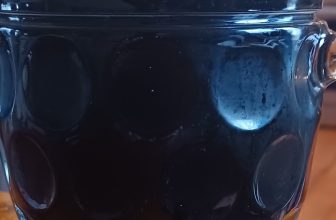
- Color: Deep black, opaque in the glass
The backbone of this stout starts with a solid British base malt, supported by classic stout adjuncts that contribute body, head retention, and roast complexity.
- Maris Otter Pale Malt (8 lb): Provides a rich, bready malt foundation.
- Flaked Barley (1 lb): Adds creaminess and that signature stout mouthfeel.
- Roasted Barley (0.75 lb): Delivers classic dry roast and coffee notes.
- Chocolate Malt (0.5 lb): Softens the roast with cocoa-like depth.
- Crystal 60L (0.5 lb): Adds subtle caramel sweetness to balance bitterness.
Together, these malts create a stout that’s layered but never heavy-handed.
Mash in temp should be around 154 degrees for a fuller body.
Hops:
- East Kent Goldings – 1.5 oz at 60 minutes
Earthy and classic, EKG provides firm bitterness without clashing with roasted malts. We like Fuggle and Willamette as well for substitutions.
Yeast:
We like to keep it simple at Afterglow and use San Diego/ Chico or Nottingham yeast.
Typically we will ferment at 68 degrees for a clean profile and traditional esters.
If you really want to have some fun with this recipe, it is a great base for making other fun stouts.
Examples:
- Oatmeal Stout: Swap flaked barley for flaked oats.
- Coffee Stout: Add cold-brewed coffee at packaging.
- Chocolate Stout: Introduce cacao nibs post-fermentation.
- Peanut Butter Stout: Some people will use powdered peanut butter in secondary. We prefer Amoretti flavorings for most adjuncts.
A great stout doesn’t need to be complicated. Whether you’re a new homebrewer or a seasoned pro looking for a reliable dark beer, this 5-gallon stout recipe is one worth keeping in rotation.
Because sometimes, the best beers aren’t the loudest, they’re the ones you finish and immediately want another one.