The Designer-Client Relationship: The Perfect Match Changes Everything

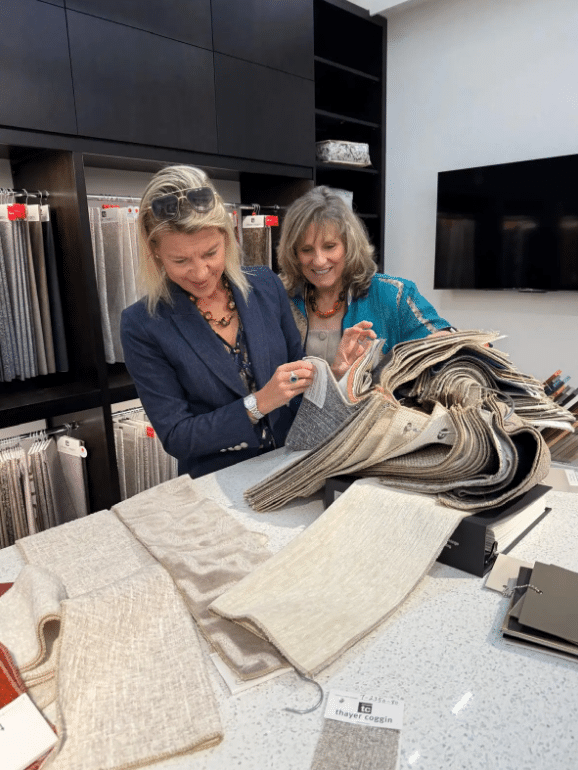
How to Choose the Right Designer: The Designer-Client Relationship
Why the Right Client Matters Too!
When homeowners begin a remodeling or design project, they often focus on finding the right designer. They review portfolios, ask for referrals, and compare styles and budgets. Those are all important steps. But after more than twenty years of designing kitchens, bathrooms, and homes, I can tell you that successful projects are built on something deeper than design style alone. They are built on the designer-client relationship. The perfect match changes everything. How do you find that perfect match? I feel that there are three key components: realistic expectations, honesty, and trust.
The Designer-Client Relationship: Design Is a Partnership
The best design projects happen when both parties share a common understanding of goals, expectations, communication, and process. A designer brings expertise, creativity, and experience, while the homeowner brings vision, priorities, investment, and trust. When those elements align, the project is built on a strong foundation. Without these shared ideals, problems and misunderstandings can happen, which may lead to an unfortunate experience for all parties.

Look Beyond Beautiful Photos
One mistake homeowner sometimes makes is hiring a designer solely based on beautiful project photography. Beautiful work matters; however, the process behind that work matters as much. With the advent of AI, you can never be certain that the images shown are real projects or were executed by the designer. This is where a one-on-one conversation can reveal more than the portfolio images.
- During your initial conversations with a designer, pay attention to how they communicate. Remember, you are interviewing them, but they are interviewing you too.
- How do they react to your inspiration images or your thoughts on the design style? Are they a curious listener? Do they provide the services you are looking for?
- Are they asking thoughtful questions and clearly explaining their process? They should ask about your timeline, if you have experienced working with a designer before, and if there are any life events that are on the horizon. Can they share images of similar size and scope to visually explain how the project was designed and executed?
- How do they discuss budgets, timelines, and expectations?
These conversations often reveal more about your future experience than a portfolio alone. At the same time, how are you answering these same questions? Remember, trust goes both ways. If you are honest with your expectations, your investment in the project, and how you see the designer-client relationship working, it can be the start of a great partnership. Overstating or understating your budget is not a good foundation for the design partnership. Not revealing an event you have planned, which could be impacted by the project you are undertaking. Hopefully, during the “discovery call these things will be part of your two-way discussion.
The Importance of Honest Conversations
One of my favorite parts of the design process is the discovery conversation. This is where we begin to understand how a client lives, what challenges they face, what they hope to achieve, and how they envision their home supporting their lifestyle. Often, these conversations uncover needs that clients didn’t realize they had. This is where you both realize the amazing design opportunities you can achieve together. Realizing you really do need things you never considered is how you establish trust. Without trust, design becomes difficult. With trust, great things can happen.
The Most Successful Projects Share Common Traits
I have noticed that my most successful projects share several specific things.
- Clients have realistic expectations about their role as clients and the role and expertise that the design professional brings to the table. Understanding deliverables and timelines will make the process so much smoother.
- Good design takes time and planning. Quick decisions, crowd sourcing, or second-guessing the designer can lead you down a dangerous path. Whoever is going to be part of the process should be at every meeting. Remember that more is not necessarily merrier. A lot of thought and time go into the materials and designs used for a presentation. Be open to the possibilities.
- Collaboration is key. If you like to be part of the process, make sure the designer you are working with has a process that can include you. I love collaborating with clients, but I will let them know when I believe they are not making the best choice for the design or the project.
My clients trust and respect my expertise. I am okay with clients sending me unique pieces they discover, and I will try to work them into the design, unless I believe it is not right. I am also very clear in our discussions, and in my contract about my compensation, and if I specify something, I do expect to be compensated for my time and the procurement. Same with jobsite decisions, I always let the client know that is happening, but they respect my decisions when it comes to the project. My team and I can offer solutions they may not have considered. That is what working with a design professional is all about. It is my job to make sure the project runs smoothly and that I always have the client’s best interests at heart.
Why the Perfect Match Changes Everything

Design Inspiration photo collage
Designing a home is personal. These common goals create an environment where creativity and problem-solving can thrive. It requires investment, communication, and trust.
The right designer will understand your goals, respect your investment, and provide a clear roadmap for the journey ahead. At the same time, the right clients should recognize that the best results often come from allowing experienced professionals to guide the process.
When both sides approach the relationship with respect and trust, the results extend far beyond beautiful spaces. The project becomes a rewarding experience for everyone involved. This is where great design truly begins.

Sharon L. Sherman, ASID, NCIDQ, CID, CKD
Sharon founded Thyme and Place Design, headquartered in Wyckoff, New Jersey, and has been practicing kitchen, bath, and interior design for over 20 years across New Jersey, New York, Connecticut, Massachusetts, and the Eastern Seaboard. She is the Past President of the American Society of Interior Designers, New Jersey chapter, a professional member of ASID, as well as a Certified Interior Designer in New Jersey, and a Certified Kitchen Designer, and serves on the Board of Directors of the Interior Design Community.
She is a current member of the editorial board of KBB Magazine, the official magazine of the National Kitchen and Bath Association. Sharon was named KBB Person of the Year 2025 and received the Kitchen Bath Design News 2022 Innovator of the Year Award. Her award-winning designs and editorial comments have been featured in Forbes, The New York Times, Design Milk, Furniture Lighting and Decor, Designers Today, Kitchen & Bath Design News, Country Decorating, Design NJ, New Jersey Home Magazine, 201 Magazine, as well as several books. She has authored the Interior Designers’ Guide to Kitchen and Bath Business Success, available through the website. Sharon is a sought-after conference speaker and CEU provider. You can contact her through the website www.thymeandplacedesign.com.