How to Sanitize Beer Brewing Equipment? A Complete Guide to Cleaning and Sanitation

Poor sanitation can ruin an entire batch of beer even when you use excellent ingredients and a good recipe. Bacteria, wild yeast, and leftover residue can change flavor and reduce consistency. Learning how to properly clean and sanitize brew equipment is one of the most important skills for every brewer.
To sanitize beer brewing equipment, first clean all surfaces to remove dirt and organic residue, then apply a suitable sanitizer such as Star San or iodophor according to the manufacturer’s instructions. Proper sanitation protects wort, yeast, and finished beer from contamination throughout the brewing process.
Why Is Sanitation Important in Beer Brewing?
Sanitation is the foundation of successful brewing. During beer production, wort contains sugars and nutrients that are perfect for brewing yeast. Unfortunately, those same conditions can also support bacteria and wild yeast if equipment is not properly cleaned.
Every piece of equipment that touches wort or beer must receive careful attention. This includes kettles, fermenters, hoses, pumps, bottles, and tools. A small amount of contamination can affect an entire batch of beer.
Professional breweries follow strict cleaning and sanitation procedures because consistency matters. The same principle applies to homebrewers. Whether you make one small batch or operate a commercial brewery, proper sanitation protects beer quality.
A good cleaning routine helps:
- Prevent unwanted flavors
- Protect yeast performance
- Improve fermentation results
- Extend equipment life
- Create consistent beer
Remember one simple rule:
Clean equipment first. Then sanitize.
Sanitizer cannot replace proper cleaning. Dirt, protein deposits, and stains can block sanitizer from reaching the surface.
What Is the Difference Between Cleaning and Sanitizing Brew Equipment?
Many new brewers confuse cleaning and sanitation, but they are two different steps.
Cleaning removes visible material such as:
- Hop residue
- Yeast deposits
- Protein buildup
- Sugars
- Mineral stains
Sanitizing reduces microorganisms on already clean surfaces.
The correct order is:
| Step | Purpose |
|---|---|
| Cleaning | Remove dirt and organic material |
| Rinse | Remove cleaner residue |
| Sanitize | Reduce bacteria and wild yeast |
| Brew | Use equipment safely |
Before you sanitize brewing equipment, you must make sure the surface is clean. A dirty fermenter cannot be properly sanitized.
For example, after fermentation, a fermenter may contain yeast residue and dried beer deposits. A cleaner such as PBW can help remove these materials before applying sanitizer.
This approach is used in professional brewing because effective sanitation depends on preparation.
How Do You Clean and Sanitize Beer Brewing Equipment?
The basic method is simple:
- Clean the equipment
- Rinse thoroughly
- Apply sanitizer
- Follow the required contact time
- Use the equipment while it remains protected
Different pieces of equipment require different methods.
Brew Kettle
The kettle usually collects malt sugars, hop material, and mineral deposits. After brewing, allow the kettle to cool, remove residue, and wash it with a suitable cleaner.
Fermenter
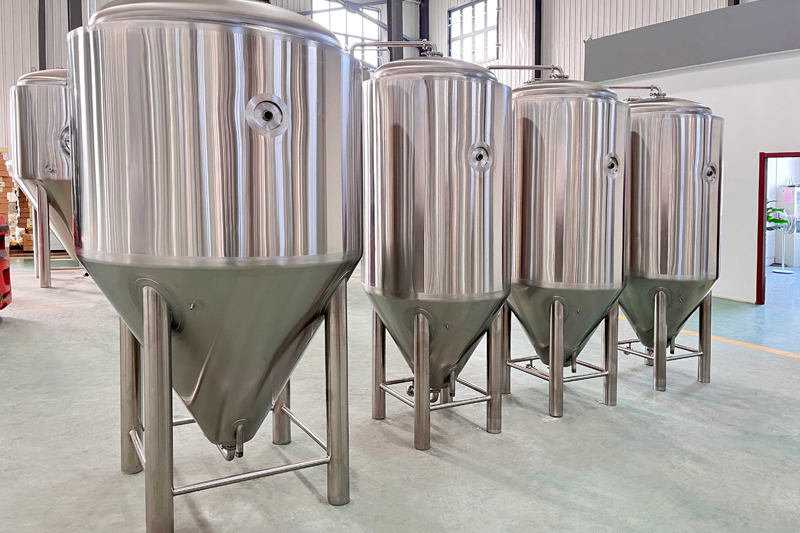
The fermenter requires extra attention because fermentation directly affects beer quality. Remove yeast deposits, clean the interior, rinse, and sanitize before adding new wort.
Hoses and Pumps
Small hoses can trap residue. Flush them immediately after use and allow sanitizer to contact all internal surfaces.
Bottles and Packaging Tools
Beer bottles must be clean before filling. Old residue inside bottles can introduce unwanted flavors and contamination.
A consistent routine makes cleaning easier over time.
What Sanitizer Should You Use for Homebrew Equipment?
Several sanitizers are commonly used by homebrewers and professional brewers. The best choice depends on your process, equipment material, and personal preference.
Star San
Star San is a popular no-rinse sanitizer used by many homebrewers. When properly diluted, it creates an acidic environment that helps reduce microorganisms.
Many brewers keep Star San in a spray bottle for quick sanitation before transfers, measurements, or packaging.
Iodophor
Iodophor is another widely used sanitizer. It is effective at low concentrations and is often used in brewing environments.
Bleach
Some brewers use bleach because it is inexpensive and widely available. However, it requires careful dilution and thorough rinsing because residue can affect beer flavor.
| Sanitizer | Advantages | Notes |
|---|---|---|
| Star San | No-rinse, convenient | Follow dilution instructions |
| Iodophor | Effective at low concentration | Can stain some materials |
| Bleach | Low cost | Requires careful rinsing |
Always follow the product instructions. More sanitizer does not always mean better sanitation.
How Do You Sanitize a Fermenter Before Fermentation?
The fermenter is one of the most important parts of homebrewing because it holds wort while yeast creates beer.
Before adding wort:
- Clean the fermenter
- Remove any residue
- Rinse cleaner completely
- Apply sanitizing solution
- Allow correct contact time
- Drain excess sanitizer
A plastic fermenter, glass carboy, or stainless steel fermenter each has different cleaning requirements.
Glass and stainless steel equipment are generally easier to clean because they resist scratches. Scratches in plastic equipment can create places where microorganisms remain.
During fermentation, yeast needs a clean environment to work properly. Poor sanitation can allow wild yeast or bacteria to compete with brewing yeast.
A clean fermenter supports better fermentation and more predictable results.
How Long Does It Take to Sanitize Brewing Equipment?
The time required depends on the sanitizer being used. Some products work within minutes when correctly prepared.
For example:
- Star San may require only short contact time
- Iodophor requires specific contact time
- Bleach requires careful preparation and rinsing
The important factor is not speed. It is complete coverage.
A brewer should make sure the sanitizer touches every surface that will come in contact with beer.
For larger systems, breweries use structured cleaning procedures. Stainless steel equipment designed for brewing often includes CIP connections that help operators clean tanks efficiently.

How Do Breweries Clean and Sanitize Stainless Steel Equipment?
Commercial breweries use more advanced cleaning systems because tanks and pipes are much larger.
A typical brewery cleaning cycle may include:
- Pre-rinse
- Cleaning solution circulation
- Water rinse
- Sanitizing cycle
- Final preparation
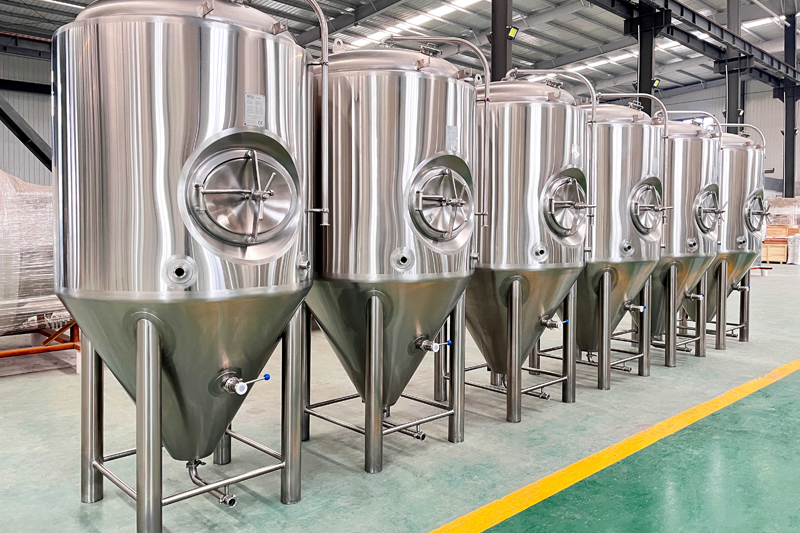
Large stainless steel equipment is often designed with cleaning in mind. Smooth surfaces, sanitary fittings, and proper tank design make maintenance easier.
Breweries may use:
- CIP systems
- Pumps
- Cleaning tanks
- Spray balls
- Temperature-controlled cleaning solutions
Professional stainless steel equipment helps improve sanitation reliability and production efficiency.
As a brewery equipment manufacturer, we design brewing systems, fermentation tanks, and stainless steel equipment with cleaning access and long-term operation in mind.
What Equipment Needs to Be Sanitized Before Every Brew Day?
Before each brew day, sanitize any item that contacts wort or beer after boiling.
Common items include:
- Fermenter
- Wort chiller
- Transfer tubing
- Siphon
- Hydrometer
- Sampling equipment
- Bottling equipment
The brew kettle usually receives heat during boiling, which helps reduce microorganisms. However, equipment used after boiling requires careful sanitation.
The cooling stage is especially important because cooled wort becomes vulnerable to contamination.
A good workflow keeps sanitized equipment separate from dirty equipment.
How Should Homebrewers Store Sanitized Equipment?
After sanitation, avoid touching cleaned surfaces with dirty hands or placing equipment on contaminated areas.
Helpful practices include:
- Store equipment covered
- Keep hoses sealed
- Protect fermenter openings
- Prepare sanitizer before use
- Avoid unnecessary handling
Many homebrewers prepare sanitizer before brewing so they can quickly sanitize tools during the entire process.
Good organization saves time and reduces mistakes.
Can Poor Sanitation Affect Beer Flavor?
Yes. Poor sanitation can create noticeable problems in beer.
Possible issues include:
- Sour flavors
- Strange aromas
- Cloudiness
- Poor fermentation
- Short shelf life
During fermentation, yeast should dominate the environment. If bacteria or wild yeast enter the process, they may create unwanted compounds.
A brewer who consistently follows sanitation procedures has better control over the final product.
This is true for both homebrew and commercial production. Quality beer begins with clean equipment.
How Can Professional Brewery Equipment Improve Sanitation?
For commercial breweries, equipment design has a major impact on cleaning efficiency.
Professional systems often include:
- Stainless steel tanks
- Sanitary valves
- CIP cleaning systems
- Smooth internal surfaces
- Automated controls
A brewery equipment manufacturer should consider sanitation during the design stage, not after installation.
Our company provides customized stainless steel brewing systems, fermentation tanks, brewhouse systems, and turnkey brewery solutions for global B2B customers.
We work with craft breweries, beverage startups, commercial breweries, and engineering contractors to develop equipment that supports:
- Stable production
- Reliable cleaning
- Consistent beer quality
- Long-term operation
Good sanitation starts with good equipment design.
Frequently Asked Questions
Should I clean before I sanitize brewing equipment?
Yes. You must clean equipment before sanitizing because dirt and residue can prevent sanitizer from working effectively.
Can I use bleach to sanitize homebrew equipment?
Yes, but you must use bleach carefully. Proper dilution and rinsing are important because leftover residue can affect beer flavor.
Is Star San safe for homebrewing?
Star San is widely used by homebrewers when prepared according to the manufacturer’s instructions. It is a popular no-rinse sanitizer.
How often should I sanitize brewing equipment?
Any equipment that touches wort or beer should be sanitized before use. This includes fermenters, hoses, transfer tools, and packaging equipment.
Do stainless steel tanks need special cleaning methods?
Stainless steel tanks are durable and easy to maintain, but they still require proper cleaning procedures. Many professional systems use CIP cleaning methods.
Key Points to Remember
- Always clean and sanitize equipment before brewing.
- Cleaning removes residue; sanitation reduces microorganisms.
- Use proper sanitizer such as Star San or iodophor according to instructions.
- Fermenters, hoses, chillers, and packaging tools need careful sanitation.
- Stainless steel brewery equipment supports reliable cleaning and long-term performance.
- Good sanitation protects yeast, fermentation, and final beer quality.
- Professional brewery systems should be designed with cleaning and sanitation in mind.