


NFTs open up new possibilities for artists to directly monetize their creations
The world of non-fungible tokens (NFTs) has matured significantly, no longer just hype, but a dynamic ecosystem where creators and audiences interact in entirely new ways. For artists, NFTs open up far more than an alternative sales channel; they unlock new forms of monetisation and deeper fan engagement.
Direct Monetization
With NFTs, artists can now:
- Mint unique digital artworks (or limited editions) that embed resale royalties, so you earn ongoing income each time your piece changes hands.
- Use energy-efficient blockchains (for example, Polygon or Tezos) to address past sustainability concerns.
- Tap into fractional ownership or co-ownership models, letting more fans invest in your work, broadening your collector base.
- Bundle digital + physical items (“phygital” art) so a fan might receive both a digital NFT and a tangible piece like a signed print, physical sculpture, or AR object.
Fan Engagement & Interaction
Beyond earning, NFTs enable creative ways to connect with fans:
- Token-gated access: NFTs can act as membership passes, unlocking exclusive content, backstage access, future drops, or live-virtual events.
- Dynamic and interactive NFTs: Your artworks don’t have to be static; they can evolve based on time, owner behaviour, or external data (for example, an NFT that changes appearance, reveals new layers, or grants additional perks).
- Cross-platform and immersive experiences: NFTs can span AR/VR, be displayable in virtual galleries or metaverse spaces, and exist in multiple worlds rather than being locked in one platform.
New Creative Opportunities
For artistic entrepreneurs (such as handmade crafters, mixed media creators, digital illustrators), the NFT space offers:
- A direct-to-collector route that bypasses many intermediaries. You control minting, pricing, and edition size.
- Licensing & IP monetisation: NFTs can embed rights, experiences, or future royalties, so you influence how your art is used, traded, or experienced.
- Collaboration models: Artists partnering with brands, other creators, or platforms to launch limited-edition drops, partner utilities (e.g., combining digital and physical), or building collective fan bases through community tokens and DAOs (Decentralised Autonomous Organisations).
Why It Matters
Because the web3 art scene is now less about speculation and more about utility, community, and immersive experience, the market is evolving: artists who think solely in terms of “mint & sell” may be left behind, while those who integrate experience, storytelling, utility, fan access, and a multi-platform presence are gaining traction. For instance, one recent trend overview lists sustainability, interactivity, cross-chain interoperability, and the metaverse as key drivers this year.
What to Do As An Artist or Creator
Stay agile: NFT tech, standards, and market dynamics shift fast across chains, AI-generated art, and AR/VR displays are already here.
Choose a blockchain platform aligned with your values (eco, fees, community).
Define what your NFT gives the buyer beyond “just owning art”: maybe a behind-the-scenes log, future drop access, physical good, or event invite.
Build community early: engage fans, build a whitelist or token-gated group so your drop has a ready audience.
Tell story + utility: Make your art drop not just pretty, but meaningful. How will it evolve? What does owning it unlock?
Think hybrid: Consider combining your handmade craft business (shirts, candles, hats, jewelry) with digital/ NFT editions “buy the physical, get the NFT”, or “own the NFT & redeem a custom-item”.
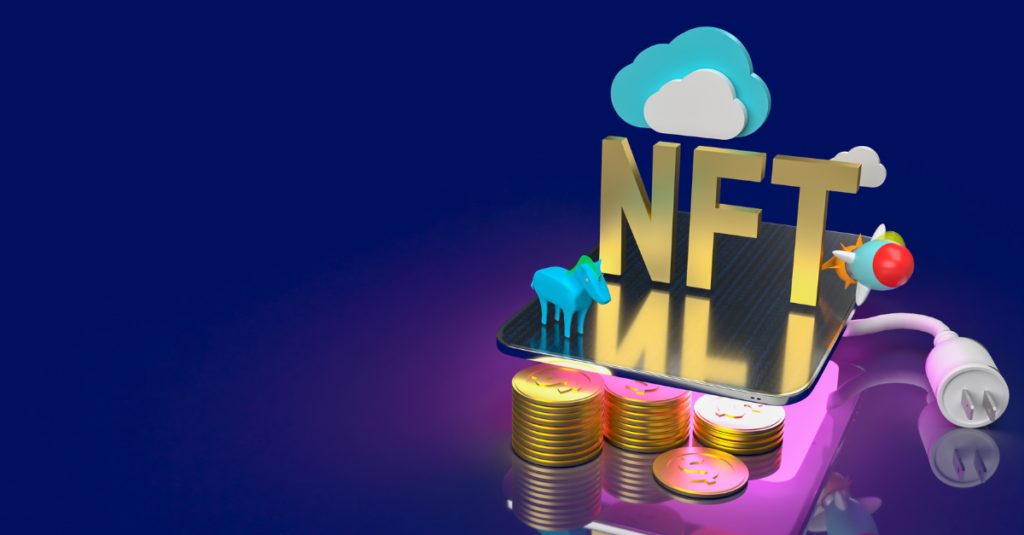
NFTs: A New Era for Digital Art and Intellectual Property
NFTs have matured far beyond their early collectible craze and are now shaping a powerful new landscape for digital art, creator income, and intellectual property. Artists and independent creators are using NFTs to sell their work directly to audiences, bypassing traditional intermediaries and gaining more control over pricing, ownership, and royalties. With smart contracts embedded into the blockchain, creators automatically earn a percentage every time their work is resold, a breakthrough model that rewards long-term value instead of one-time sales.
Today’s NFTs go beyond static digital art. Many artists now attach real-world experiences, community access, or exclusive utilities to their tokens. Fans who purchase an NFT might unlock early access to new releases, behind-the-scenes content, or even physical collectibles tied to the digital asset, a growing “phygital” trend that merges the digital and handmade worlds. These tokens are also being used to represent intellectual property and brand extensions, as seen in 2025 with NFT collections like Pudgy Penguins expanding into media and animation. The result is a creative ecosystem where artists can turn their ideas into living brands, not just digital files.
This new era of NFTs has also transformed fan engagement. Ownership now comes with community and participation, allowing collectors and supporters to feel like stakeholders in an artist’s journey. Instead of simply buying a piece of art, fans are buying into an experience, one that fosters loyalty, identity, and belonging. At the same time, blockchain transparency ensures provenance and authenticity, protecting creators from plagiarism and counterfeit copies while giving fans confidence in what they own.
However, as the market evolves, so do its challenges. Creators must navigate issues like metadata centralization, shifting platform royalties, and the need to offer true utility beyond speculation. The NFT boom has stabilized into a more intentional movement focused on storytelling, connection, and real value creation. Artists who thrive in 2025 are those blending creativity with strategy, combining digital assets, physical craftsmanship, and meaningful fan interaction.
For handmade crafters, this evolution opens a new frontier. NFTs can be paired with physical items, such as custom shirts, jewelry, candles, or shoes, to verify authenticity, offer limited-edition exclusives, or grant access to private communities and events. This “phygital” approach allows artisans to extend their brand into the digital world, build loyal audiences, and protect their intellectual property while exploring new income streams.
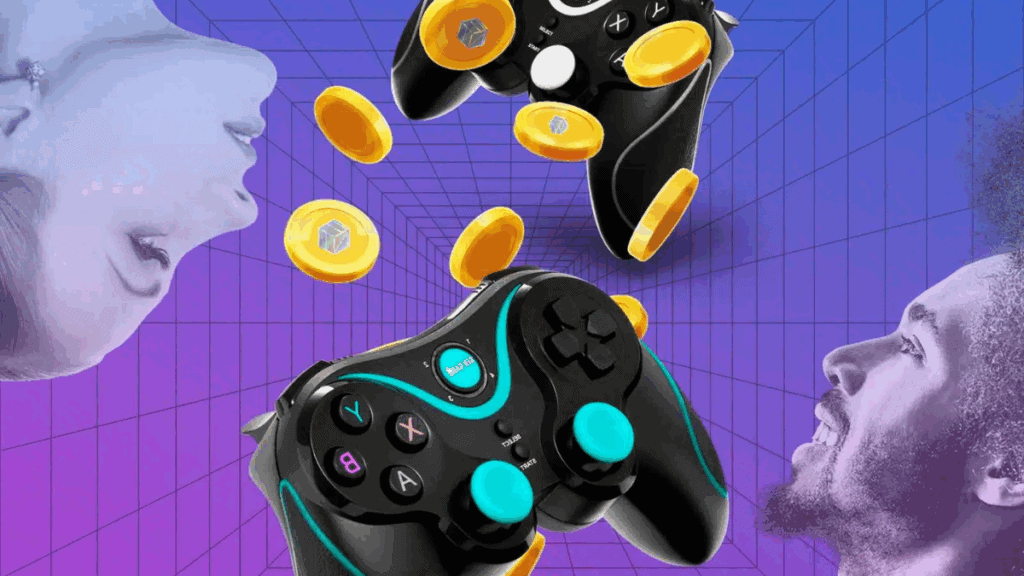
Gaming and the Potential for NFTs
NFTs have moved beyond being a passing trend in gaming; they’re becoming a core part of how games are designed, monetized, and experienced. The integration of blockchain technology now allows players to truly own in-game assets, such as skins, avatars, and collectibles, which can be traded or sold outside traditional game ecosystems. This marks a shift from centralized ownership by gaming studios to genuine digital ownership for players. For developers and artists, NFTs have unlocked new revenue streams through direct sales and automated royalties on secondary market trades. According to recent market analyses, the gaming NFT sector was valued at approximately $4.8 billion in 2024 and is projected to surge to over $44 billion by 2034, a testament to its rapid adoption and potential for long-term growth.
This year is the rise of cross-game interoperability, allowing players to use NFT assets across multiple games or even virtual worlds. Infrastructure improvements like Layer-2 blockchains and cross-chain bridges have made transactions faster and cheaper, creating a more fluid experience for users and developers alike. This not only expands creative opportunities for game studios but also gives artists and creators the chance to reach audiences across platforms instead of being confined to one ecosystem.
Beyond revenue, NFTs are changing how fans and gamers interact with creators. Players are no longer just consumers; they can now participate as owners, contributors, and even stakeholders in gaming communities. Many developers are introducing tools that let players design, mint, and sell their own NFT-based assets, turning gaming into a participatory creative economy. For artists and independent creators, this opens doors to designing limited-edition digital merchandise or in-game items that strengthen fan engagement and brand loyalty. Owning a rare NFT can even serve as a badge of membership, giving fans access to exclusive virtual events, digital goods, or private communities that deepen their connection to the creator.
For artists, the takeaway is clear: NFTs in gaming are not just about speculation but about utility, creativity, and community. Whether you’re a digital artist or a handmade goods creator, transforming your designs into usable in-game NFTs, like virtual wearables or collectibles, can open entirely new ways to monetize your work and reach fans. Partnering with indie developers or NFT-friendly gaming platforms can expand your visibility, while offering fans exclusive in-game items or access through NFT ownership can strengthen loyalty. The fusion of gaming, art, and blockchain in 2025 is building a more immersive, creator-driven ecosystem where engagement and authenticity matter as much as innovation.
As the technology behind NFTs continues to improve, we can’t wait to see what the future holds for this exciting new world. Check out HipHopUntapped’s previous article on NFT Art, Its meaning & the Future of Crypto For artists and Fans
Be sure to follow @hiphopuntapped for The Latest Hip Hop News, NFT News, Entertainment, Fashion, Concerts, & Sports.


