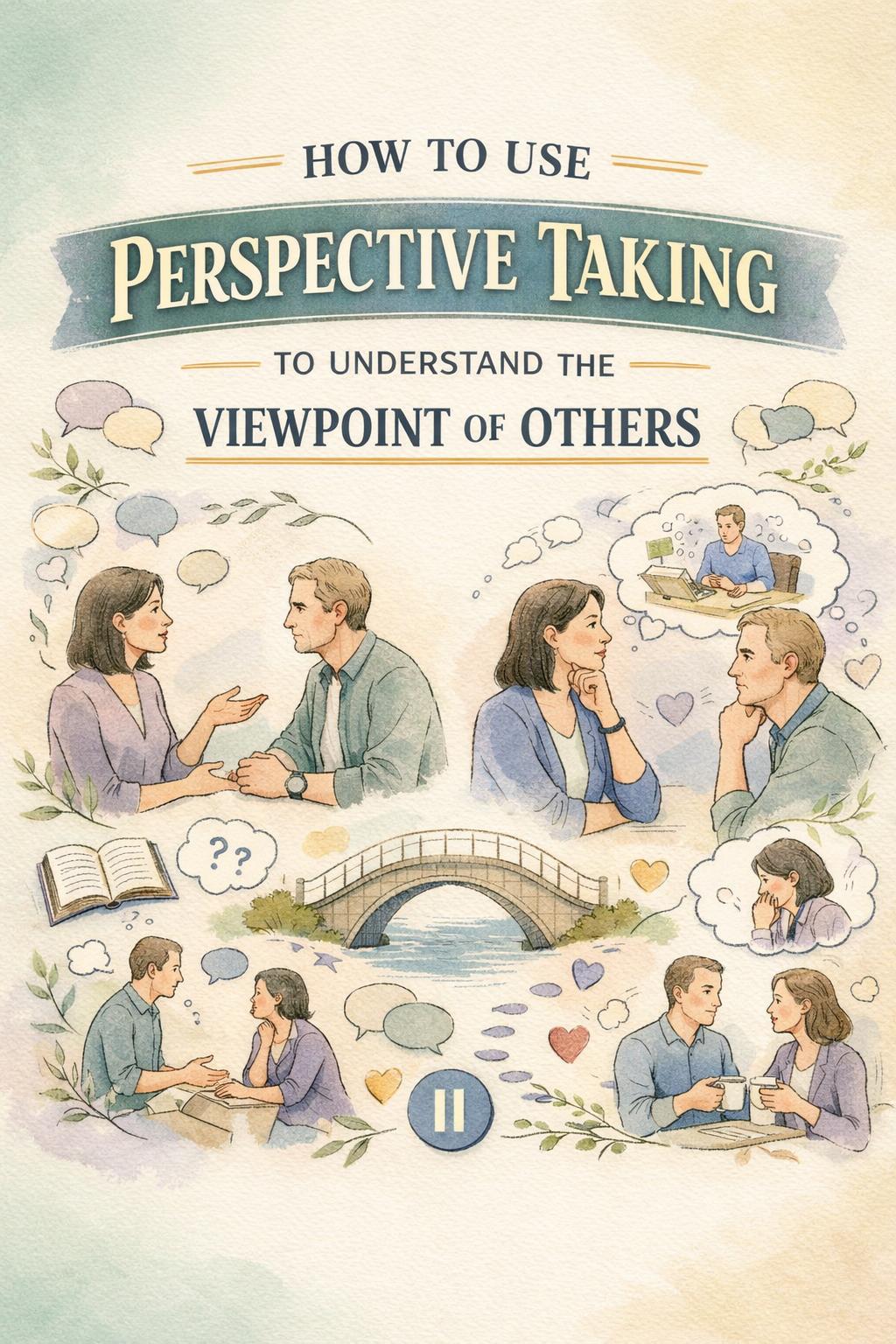
How to Use Perspective Taking to Understand the Viewpoint of Others


You probably have moments when someone’s actions or words leave you confused or frustrated. Maybe a coworker responds to your idea in a way that feels dismissive, or a family member makes a choice you can’t understand. These situations happen because people see the world through different lenses shaped by their unique experiences and feelings.
Perspective taking is the ability to step outside your own viewpoint and understand how someone else thinks, feels, and experiences a situation. This skill can be measured, trained, and improved at any age, which means you can get better at it with practice. When you develop this ability, you build stronger relationships and solve problems more easily.
Learning to use perspective taking doesn’t require you to agree with everyone or give up your own beliefs. It simply means you take time to understand where others are coming from before reacting. This approach helps you connect with people who are different from you and reduces conflict in your daily life.
Key Takeaways
- Perspective taking helps you understand others’ thoughts and feelings without requiring you to agree with them
- You can improve this skill through practice using specific techniques like active listening and asking thoughtful questions
- Avoiding common mistakes like assuming others think like you will make your perspective taking more effective
Perspective Taking Fundamentals
Perspective taking is the ability to understand a situation from another person’s point of view, mentally stepping into their experiences rather than assuming they see things your way. This skill helps you connect with others by recognizing their unique thoughts and feelings.
What It Means to See Another Viewpoint
When you practice perspective taking, you step outside your own mind to consider how someone else thinks and feels. It involves understanding another person’s thoughts, feelings, and experiences without filtering them through your own assumptions.
This isn’t about agreeing with everyone. It means you’re willing to imagine what shapes their opinions and reactions.
You need to set aside your personal biases temporarily. Think about what information the other person has access to and what experiences have shaped their beliefs. Consider their background, current situation, and goals.
When you fully engage in perspective-taking, you avoid imagining an interpretation that fits you instead of the other person. This means resisting the urge to think “Well, if I were them, I would…” because you’re not them.
Why It Strengthens Everyday Relationships
Your relationships get better when you understand where others are coming from. People feel heard and valued when you make an effort to see their viewpoint.
Perspective-taking is a skill, not a personality trait, which means you can measure, train, and improve it at any age. The more you practice, the easier it becomes to connect with friends, family, and coworkers.
Conflicts become easier to resolve when both people try to understand each other. You’ll find common ground faster and avoid unnecessary arguments. Your conversations become more meaningful because you’re not just waiting for your turn to talk.
Trust grows naturally when people know you’re genuinely trying to understand them. They’re more likely to open up and share honestly with you. This creates a positive cycle where both people feel comfortable being themselves.
Preparing to Listen With Openness
Before you can truly understand another person’s viewpoint, you need to clear away mental clutter and create the right conditions for listening. This means recognizing what you already believe and making room for new ideas.
Notice Personal Assumptions
Everyone brings assumptions into conversations. These are beliefs you hold about how things work, what people mean, or why they act certain ways.
Your assumptions often work like invisible filters. They shape what you hear and how you interpret someone’s words before you fully understand them.
Take a moment before important conversations to identify what you already think you know. Ask yourself what you believe about the person, the topic, or the situation. Write these thoughts down if it helps you see them more clearly.
Common assumptions to watch for:
- Believing you already know what someone will say
- Thinking your experience matches theirs exactly
- Assuming certain behaviors always mean the same thing
- Expecting people to react the way you would
When you catch yourself making assumptions, pause. Remind yourself that the other person’s experience might be different from yours. This simple act of noticing creates space for actual understanding of their thoughts and feelings.
Create Space for Curiosity
Curiosity is the opposite of judgment. When you approach a conversation with genuine interest, you shift from evaluating to exploring.
Start by asking yourself what you don’t know about the other person’s situation. Focus on what you want to learn rather than what you want to prove or explain.
Practicing active listening means putting aside your phone, closing your laptop, and giving the person your full attention. Remove distractions from your environment when possible.
Think of curiosity as a skill you can strengthen. Before conversations, set an intention to learn something new. During the talk, notice when you feel the urge to interrupt or correct someone.
Replace “but” with “and” in your thinking. Instead of “I understand, but here’s why you’re wrong,” try “I understand, and I want to know more about why you see it that way.” This small change opens doors instead of closing them.
Practical Skills for Understanding Others
Learning to see things from another person’s viewpoint requires specific actions you can practice every day. These skills help you gather information, confirm your understanding, and recognize the full picture of what someone else experiences.
Ask Thoughtful Open-Ended Questions
Open-ended questions invite people to share their thoughts and feelings in their own words. Instead of asking “Did that upset you?” try “How did that situation affect you?” This gives the other person space to explain their experience without limiting them to yes or no answers.
Questions that begin with “what,” “how,” or “tell me about” work well for understanding different perspectives. You can ask “What was going through your mind when that happened?” or “How do you see this situation?”
Avoid questions that sound like you’re making assumptions. When you ask with genuine curiosity rather than judgment, people feel more comfortable sharing their real viewpoint.
Reflect Back What You Hear
Reflecting means repeating back what someone said using your own words. This shows you’re listening and gives them a chance to correct any misunderstandings. You might say “It sounds like you felt overlooked when the team didn’t ask for your input” or “You’re saying the deadline feels unrealistic given the other projects on your plate.”
This technique helps you actively listen and understand diverse viewpoints while confirming you’ve got it right. The other person can then say “Yes, exactly” or clarify what they meant.
Keep your reflection neutral and focused on their experience, not your opinion about it.
Pay Attention to Context and Emotions
Understanding another person’s thoughts and feelings requires looking beyond their words. Notice their tone of voice, facial expressions, and body language. Someone might say they’re fine, but their crossed arms and tight voice tell a different story.
Consider what’s happening in their life right now. A coworker who seems short-tempered might be dealing with a family emergency or tight deadline. The context shapes how people think and feel about situations.
Watch for emotional cues like frustration, excitement, or worry. These feelings provide clues about what matters to them and why they see things a certain way.
Applying the Skill in Difficult Situations
Perspective taking becomes most valuable when tensions run high and differences feel impossible to bridge. You can use specific strategies to understand others even when you disagree strongly or face experiences completely different from your own.
Navigating Disagreements Respectfully
Strong disagreements often make it harder to see another person’s viewpoint clearly. Emotions shape how you interpret conflicts, which means you need to pause before reacting.
Start by acknowledging that the other person has reasons for their position, even if those reasons don’t make sense to you yet. Ask questions to understand their thinking instead of immediately explaining why they’re wrong.
You should avoid imagining what you would think in their situation. Instead, focus on understanding their actual interpretation without replacing it with your own.
Try these approaches during disagreements:
- Listen without planning your response while the other person talks
- Ask clarifying questions like “What makes that important to you?”
- Acknowledge their feelings even when you disagree with their conclusions
- Take breaks when emotions run too high to think clearly
Responding to Experiences You Have Not Shared
Understanding someone whose life experiences differ greatly from yours requires extra effort and humility. You cannot fully know what it feels like to live through situations you’ve never faced.
Focus on learning rather than assuming. Ask the person to help you understand their perspective instead of pretending you already get it. Recognize that their experience may differ significantly from your own, and that’s okay.
Avoid comparing their situation to something from your life. Saying “I know exactly how you feel” often minimizes what they’re going through. Instead, admit what you don’t understand and show genuine interest in learning.
Key practices include:
- Accepting that you might never fully understand their experience
- Asking respectful questions when they’re willing to share
- Believing their account of their own experiences
- Not requiring them to educate you about every aspect of their background
Common Pitfalls and Better Alternatives
When trying to understand others, people often make assumptions about what someone else is thinking or they forget to protect their own well-being. These mistakes can damage relationships and lead to burnout.
Avoiding Mind Reading
Mind reading happens when you assume you know exactly what another person thinks or feels without asking them. You might believe you can predict their reactions based on past experiences or body language alone. This approach usually backfires because people are more complex than our assumptions.
Instead of guessing, ask direct questions about what the other person is experiencing. Say things like “Can you help me understand your perspective?” or “What’s important to you in this situation?” These questions show you care while giving the person space to explain themselves.
Common mind reading mistakes include:
- Assuming someone is angry without checking in
- Deciding you know their motives before listening
- Filling in gaps with your own interpretations
- Jumping to conclusions based on limited information
When practicing perspective taking, pause and reserve judgment before making assumptions. Listen to their actual words and ask follow-up questions to clarify what they mean.
Balancing Empathy With Personal Boundaries
Understanding another person’s viewpoint doesn’t mean you have to agree with them or take on their emotional burden. You can recognize someone’s feelings without making their problems your own.
Set clear limits on how much emotional energy you give to others. Taking breaks from difficult conversations is okay. You can say “I hear what you’re saying, and I need some time to think about this.”
Ways to maintain healthy boundaries:
- Recognize when you’re feeling overwhelmed
- Take time for self-care between emotionally heavy conversations
- Say no when you can’t offer support
- Separate their feelings from your own reactions
People who regularly practice perspective taking maintain better emotional control and stronger relationships by protecting their own needs while staying open to others.
Building a Lasting Practice
Making perspective taking a regular habit requires intentional daily actions and a commitment to learning from every interaction. You need specific strategies that fit into your routine and help you grow over time.
Use Reflection After Conversations
Taking time to think about your conversations helps you understand what you learned and what you might have missed. After talking with someone, ask yourself what their main concerns were and how they might have felt during the discussion.
Write down your thoughts in a journal or notes app. Focus on moments when you noticed a different viewpoint or when you struggled to understand someone’s position. This structured practice helps you step into others’ shoes and builds awareness.
Pay attention to times when you made assumptions about what someone meant. Think about whether you asked enough questions or jumped to conclusions. You can also note body language or tone that gave you clues about their feelings.
Try to identify patterns in your reactions. Do you tend to dismiss certain types of viewpoints? Do specific topics make it harder for you to listen openly? Recognizing these patterns helps you improve your ability to understand situations from another person’s viewpoint.
Seek Diverse Perspectives Regularly
Actively looking for different viewpoints expands your understanding and challenges your assumptions. Read articles, books, or watch content created by people with backgrounds and experiences different from yours.
Talk to people outside your usual social circle. This might mean having lunch with a coworker from a different department or joining a community group with diverse members. Understanding others’ thoughts, feelings, and experiences becomes easier when you expose yourself to varied views.
Ways to find diverse perspectives:
- Join discussion groups with mixed backgrounds
- Read news from multiple sources with different viewpoints
- Attend cultural events in your community
- Listen to podcasts featuring varied guests
- Volunteer with organizations serving different populations
Make it a goal to learn one new perspective each week. Ask people about their experiences and listen without trying to relate everything back to yourself.
Final Thoughts About Perspective Taking
You can start practicing perspective taking today, and the benefits will show up in your daily life quickly. Research shows that people who regularly practice perspective taking experience better emotional control, stronger relationships, and lower conflict levels.
The good news is that perspective taking is a skill, not a personality trait. This means you can measure it, train it, and improve it at any age. You don’t need special talents or abilities to get better at understanding others.
Key things to remember:
- Be patient with yourself – Learning to see things from another person’s view takes time and practice
- Ask questions – You won’t always guess correctly what someone else is thinking or feeling
- Listen without judging – When people tell you about their day, pause and reserve judgment before responding
- Stay flexible – Your first impression of someone’s viewpoint might not be accurate
You’ll make mistakes along the way, and that’s perfectly normal. The important part is that you keep trying to understand where others are coming from. Each time you practice, you’re strengthening your ability to connect with the people around you.
Perspective taking helps you navigate social situations and adjust what you say and do to meet everyone’s needs. Start small by trying to understand one person’s viewpoint today, then build from there.