What is the Minimum Credit Score to Rent a House?


Your credit score plays a huge role in rental approval. Landlords check it during the tenant screening process to confirm whether the tenant is reliable in paying the rent. Although landlords’ criteria may vary, there are general trends you should look at when you assess the minimum credit score required to rent a house. Let’s examine what a credit score is, why landlords check it, and finally, the minimum credit score to rent a house. By the end, you should have a clearer understanding of how to secure your next rental.
Main Takeaways
- There is no universal minimum credit score to rent a house, as every landlord has different screening requirements.
- A higher credit score can improve your chances of approval, but landlords also consider your income, rental history, and references.
- Reviewing your credit report regularly and correcting any errors can help strengthen future rental applications.

What Is a Credit Score?
A credit score is a key factor that property management in Northern Virginia and lenders use when evaluating rental or loan applications.
Credit scores usually range between 300 and 850, with higher scores generally indicating lower credit risk. Your score is calculated using information in your credit report, such as your payment history, outstanding debt, and other credit activity.
Why Do Landlords Check Credit Scores?
Landlords may review credit information as one part of the tenant screening process. A credit report can provide information about an applicant’s payment and credit history, which may be considered alongside other relevant screening criteria. However, credit information alone does not determine whether someone will be a successful tenant.
What Is Considered the Minimum Credit Score to Rent a House?
There is no universal minimum credit score required to rent a house. Each landlord or property management company may establish its own lawful screening criteria, and requirements can vary depending on the property and rental market.
Instead of focusing on a specific number, renters should review the property’s stated qualification criteria before applying. A housing provider may consider credit history alongside other relevant information, such as income, rental history, and the applicant’s overall ability to meet the financial obligations of the lease.
Having a lower credit score also doesn’t automatically mean you won’t qualify for a rental. Depending on the housing provider’s screening criteria and applicable laws, other information may be considered as part of the application.
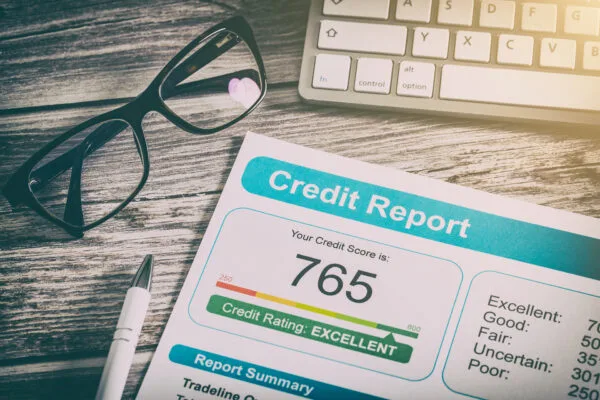 How to Check Your Credit Score (and How to Fix or Dispute Errors)
Now that we’ve clarified the minimum credit score to rent a house, it’s essential to evaluate it. Checking your credit score is quick and easy. More importantly, it can help you monitor your financial health. If you notice any errors, don’t worry—there are ways to fix them and improve your score.
How to Check Your Credit Score
First and foremost, check your credit score. This can help you ensure you’re more informed as you make key financial decisions. To find it, try:
- Free Credit Report Websites: AnnualCreditReport.com allows consumers to access a free credit report from each of the three nationwide credit bureaus once per week. Depending on current federal guidelines, reports may be available more frequently than once a year. Although it doesn’t always provide the exact score, it can still show detailed information about your credit activity.
- Through Your Credit Card Provider: Many credit card companies, like Chase or Discover, provide their customers with free access to their credit score information. This is a great way to keep an eye on your credit score regularly without any cost.
 How to Fix or Dispute Errors on Your Credit Report
Now that you know how to check your credit score, it’s important to review your credit report regularly for errors. Credit score errors can damage your overall results, so you must address any errors as soon as possible. Here’s what to do if you find errors:
- Review for Errors: Comb through your report carefully. Keep an eye out for mistakes like incorrect personal information, unfamiliar accounts, or late payments that weren’t actually late. Unfortunately, these errors could adversely affect your score.
- Dispute the Errors: If you find an error, you should dispute it with the credit bureau. Each bureau lets you file a dispute online. There, you can provide demonstrative evidence, like payment receipts or bank statements, to back up your case.
- Wait for Resolution: Once you’ve filed a dispute, the credit bureau will investigate. This process usually takes about 30 days. If the error is proven to be wrong, it will be removed or corrected. Then, this could improve your score.
- Follow-up: After the investigation is complete, the credit bureau will send you their results. If your dispute is successful, your credit score may rise. If the issue isn’t resolved, review the bureau’s findings and your available options. You may be able to provide additional information or request that a statement explaining the dispute be included in your credit file.
FAQs About the Minimum Credit Score to Rent a House
Your credit score is only one part of the rental application process. Here are answers to some common questions renters ask before applying for a home.
Can I rent a house with a credit score below 650?
Yes. While some landlords prefer higher credit scores, others may approve applicants with lower scores if they have stable income, positive rental history, or a qualified co-signer.
Do all landlords have the same credit score requirements?
No. Every landlord or property management company sets its own screening criteria. Some may place more emphasis on income and rental history than credit score alone.
Can I improve my chances of getting approved with a lower credit score?
Yes. Paying bills on time, reducing outstanding debt, providing proof of steady income, and supplying strong landlord references can strengthen your rental application.
Will checking my own credit score hurt it?
No. Checking your own credit report or credit score is considered a soft inquiry and does not affect your credit score.
What else do landlords look at besides credit scores?
Most landlords also review your income, employment, rental history, references, eviction history, and overall ability to meet the lease requirements before making a decision.
Don’t Let the Minimum Credit Score to Rent a House Hold You Back!
While going above and beyond the minimum credit score to rent a house can certainly boost your rental application, it’s important to remember that landlords and property managers consider more than just the numbers. In equal measure, they will pay attention to factors like your income, rental history, and references to ensure you’re a qualified tenant.
At Bay Property Management Group, we understand that credit is just one part of the rental application process. Rental qualification requirements can vary, so prospective tenants should review the applicable screening criteria before applying. Ready to find your next rental? Contact us today to explore available homes.