Everything You Need to Know About Painting a Rental Property



When it comes to return on investment, it is hard to beat a freshly painted rental interior. That said, many landlords are unsure how much something like a paint refresh should cost. Moreover, how often does a rental need a complete repaint? Finally, which paint is the best to mitigate the added wear and tear a rental faces? These are all important questions that affect an owner’s all-important bottom line. So, continue reading below as we discuss everything you need to know when painting a rental property.
Main Takeaways
- Repaint when the walls’ condition calls for it. Cleaning or touching up small marks may be enough between tenants.
- Choose a neutral color and a finish that suits each room. Keeping a record of the paint color and finish makes future touch-ups easier.
- If the rental was built before 1978, check lead paint requirements before disturbing painted surfaces. Ordinary repainting advice may not cover the work involved.
Why is Painting a Rental Property Important?
Walls are the largest surface in your rental property, and as such, they are one of the first things prospective tenants will notice. Thus, unsightly scrapes, scuffs, discoloration, or excessive wear can easily make the entire apartment or home look drab. This is one of the details property management companies in Baltimore look at when getting a rental ready to list.
A freshly painted interior is a worthwhile investment when trying to attract high-quality tenants to your listing. Therefore, with a few simple coats of paint, the space can go from drab to new and bright. Keep reading below for essential tips to get the most bang for your buck!
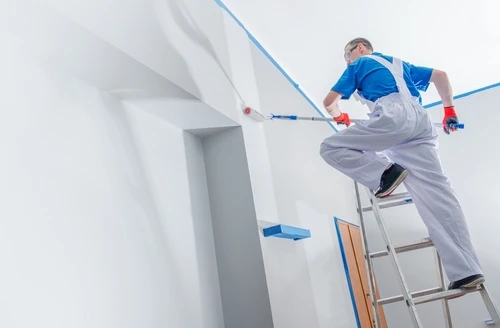
Pro Tips for Painting a Rental Property
Painting a rental property requires both time and money. However, it is a necessary part of being a successful landlord and maintaining the condition of your investment property. That said, with the right tools and preparation, the process can go smoothly and stay within a reasonable budget. To help get you started, check out these pro tips for painting your investment property below –
- Color Makes All the Difference
- Pick the Right Finish
- Balance Quality with Affordability
Color Makes All the Difference
Painting a rental property is not the same as painting your own personal home when it comes to choosing a color. In a rental, the goal is to provide a neutral backdrop in which tenants can bring in their own personal style touches through furnishings and décor. So, with so many colors and shades to choose from, stick to a neutral palette. That way, landlords have the best chance of not alienating a large pool of prospective tenants with overly personal or bold color choices that do not appeal to everyone. That said, neutral does not have to mean white. In fact, many subtle colors are well-suited to rental properties.
Pick the Right Finish
A rental property experiences a higher turnover than an owner-occupied home. Therefore, wear and tear will begin to show much faster on your painted surfaces. So, selecting the right paint finish for different areas of your rental home will help extend its life. Check out this helpful guide to different finishes and where to use them below –
- Flat or Matte – This option offers no shine and makes walls look deeply saturated with color. However, it isn’t easy to clean. So, use this in low-traffic areas only, such as a primary bedroom.
- Eggshell – Eggshell has a slight sheen and can work well on walls in bedrooms and living areas. Washability varies by product, so check the label if you expect to clean the walls often.
- Satin – Satin has more sheen and is often a practical choice for busy areas that need regular cleaning. Keep in mind that a shinier finish can make wall imperfections more noticeable.
- Semi-gloss – Semi-gloss is durable and easy to wipe down, making it useful for trim, doors, and some cabinets. For kitchen and bathroom walls, choose a paint suited to the room’s moisture and cleaning needs.
- High Gloss – High gloss makes a dramatic statement in any room. If not professionally applied, though, it can be unforgiving and uneven. That said, properly applied, high gloss repels water, is durable, and easy to clean. Perfect for kitchen cabinets, trim, or doors.
Balance Quality with Affordability
Painting a rental property can become an expensive endeavor. Especially since you will be painting more often in an investment property. That said, saving money does not mean abandoning quality. Keep in mind that walls will generally need two coats to achieve the best result. Therefore, the best strategy is to buy quality mid-grade paint. Another way to manage cost is to buy one color for all of your rental properties. Not only will buying in bulk save money, but it allows you to touch up and match the color as needed easily.
How Often Should a Landlord Paint a Rental Property’s Interior?
Typically, how often to paint a rental property is at the landlord’s discretion. However, besides aesthetics, there are instances where damaged paint needs attention. For example, if the property has chipping or peeling paint, inspect it before deciding how to repair it. If the home was built before 1978, federal lead-safe renovation requirements may apply when work disturbs painted surfaces. Landlords should review EPA Renovation, Repair and Painting (RRP) requirements and any applicable state or local rules before sanding, scraping, or otherwise disturbing existing paint.
Depending on the amount of damage discovered once tenants move out, a simple touch-up may do the trick. However, if the damage is extensive or the home looks a little drab, repainting is a good idea. It is not necessary or cost-effective to repaint at every turnover. Below are 5 considerations before you decide to fully repaint your rental property.
5 Considerations Before You Repaint
- Inspect – Once the tenant vacates the premises, conduct a thorough move-out inspection. This allows landlords to evaluate any damage to the walls or other parts of the home.
- Clean – You may find that a little soap and water or a Magic Eraser can remove minor scuffs or dirt on walls. Pay close attention to high traffic areas along with doorframes and light switches.
- Strategize – Not every room suffers the same degree of wear and tear. Therefore, consider only touching up low traffic areas and repainting high traffic areas as needed.
- Evaluate – Is your property keeping up with the competition in the area? If not, a refreshed look with new paint may be important to draw in prospective renters.
- Incentivize – Keeping a great tenant in place ensures a steady income for rental owners. That said, offering to refresh the home’s paint after a few years can incentivize tenants to renew their lease. In addition, tenants may appreciate the gesture and your commitment to keeping the property looking its best.

Can a Tenant Paint a Rental Property?
Tenants should get written permission before painting. If you agree, put the details in writing: which colors they can use, who will do the work, and whether the walls must be returned to their original color at move-out.
Document the walls’ condition before and after the work. If the tenant leaves damage beyond normal wear, review the lease and applicable security deposit rules before charging for repairs.
FAQs About Painting a Rental Property
A fresh coat of paint can help a rental look ready for its next tenant. These answers cover the decisions landlords tend to face before picking up a brush.
How often should you repaint a rental property?
There’s no single schedule that fits every rental. Inspect the walls between tenancies and consider their condition, the quality of the existing paint, and how much cleaning or touching up will help. A full repaint at every turnover may be unnecessary.
Should you paint a rental between tenants?
Only if it needs it. Clean the walls first, then check for marks, peeling, fading, and patch repairs. You may find that a few touch-ups are enough, or that one room needs painting more than the rest.
What paint finish works best in a rental?
It depends on the surface and how much cleaning it needs. Eggshell or satin can work well on many walls, while trim and doors may benefit from a more durable finish. Check the paint maker’s guidance before choosing a product for bathrooms or other moisture-prone spaces.
Can tenants paint the walls?
A landlord can allow it with written permission. The agreement should spell out the approved colors, who will do the work, and what condition the walls must be in when the tenant moves out.
Can a landlord charge a tenant for repainting?
That depends on the reason for the work and the applicable state or local rules. Routine wear is different from damage beyond normal use. Document the wall’s condition at move-in and move-out before deciding whether any charge is appropriate.
What if an older rental has peeling paint?
Take it seriously, particularly in a home built before 1978. Deteriorating lead-based paint can create a hazard, and work that disturbs paint in many pre-1978 rentals may have to follow lead-safe renovation rules. Don’t assume a new coat of paint alone solves the problem.
Should You DIY or Hire Professionals?
Owners can indeed paint to save money on their rental property. However, before you decide to DIY, consider the amount of time and effort involved. The truth is your time is valuable, and investing in a reputable painting vendor may achieve better results in far less time. Professional painters have both the staff and equipment to give you an efficient and great result. After all, most painting occurs at turnover, and time is of the essence. The longer the home sits vacant, the less money in your pocket.
Another great way to ensure efficiency and the best possible outcome for your rental business is to hire a professional property management company. Bay Property Management Group understands that balancing a tenant’s wants and desires with an owner’s profitability is the key to success in the rental industry. Our experienced staff can help with every aspect of management, from tenant screening and payment collection to maintenance and repairs. Contact BMG today to learn more about our comprehensive management services.