
Comparing Trump’s and Harris’s Economic Plans: A Comprehensive Analysis

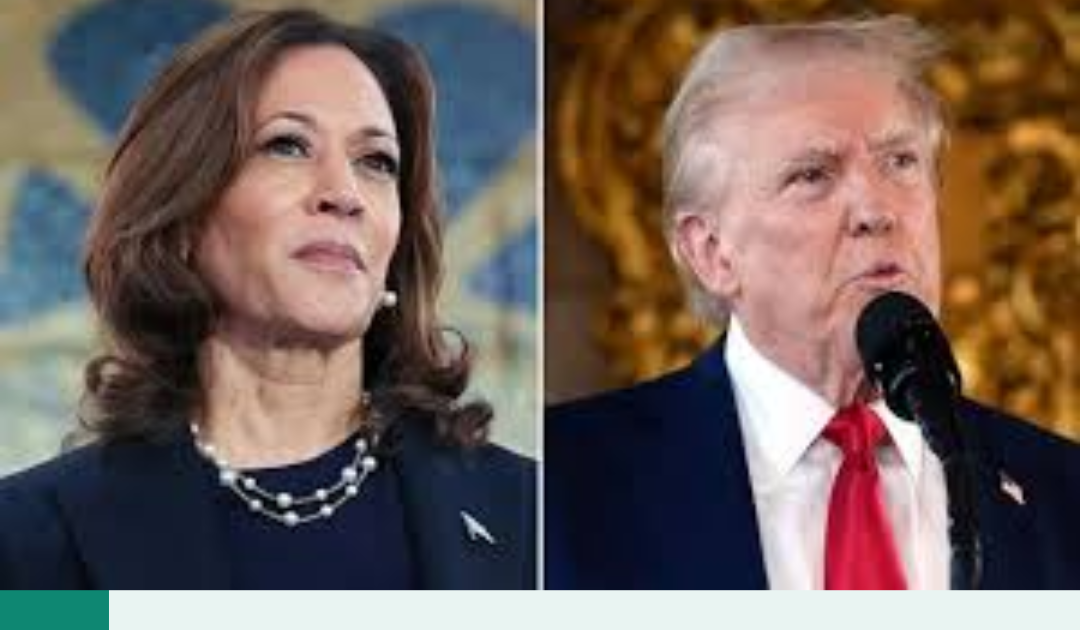
As the political landscape evolves, economic plans often become the centerpiece of debate. Donald Trump, the former president and a prominent figure in the Republican Party, and Kamala Harris, the current Vice President and a key player in the Democratic Party, present starkly different visions for America’s economic future. This blog post delves into the core differences between their economic plans, highlighting their policy priorities, strategies, and the potential impacts on various sectors of the economy.

1. Taxation Policies
Trump’s Approach:
During his presidency, Trump implemented the Tax Cuts and Jobs Act (TCJA) of 2017, which significantly reduced the corporate tax rate from 35% to 21%. This move was aimed at stimulating business investment, job creation, and overall economic growth. Trump advocates for maintaining these tax cuts, arguing that they fuel economic expansion by allowing businesses to reinvest in their operations. Additionally, his tax policies favor high-income earners, with substantial reductions in individual tax rates for the wealthiest Americans. Trump also supports eliminating the estate tax and further reducing capital gains taxes.
Harris’s Approach:
Kamala Harris’s economic vision, in line with broader Democratic principles, emphasizes a progressive tax system where the wealthy pay a larger share. Harris supports increasing the corporate tax rate to 28% and reinstating higher taxes on top income earners, reversing some of the tax cuts introduced under Trump. Her proposals include expanding tax credits for low- and middle-income families, such as the Earned Income Tax Credit (EITC) and Child Tax Credit (CTC). Harris advocates for taxing capital gains at the same rate as ordinary income for individuals earning over $1 million, aiming to reduce income inequality.
2. Job Creation and Economic Growth
Trump’s Approach:
Trump’s economic policies are rooted in deregulation and pro-business initiatives. He believes that reducing regulatory burdens on businesses leads to job creation and economic growth. His administration focused on rolling back regulations in industries like energy, manufacturing, and finance, arguing that this would boost economic activity and create jobs. Trump also emphasized “America First” trade policies, including renegotiating trade deals to protect American industries and implementing tariffs on foreign goods to encourage domestic production.
Harris’s Approach:
Kamala Harris’s economic strategy prioritizes investments in infrastructure, green energy, and education to drive job creation and long-term economic growth. Harris supports initiatives like the Green New Deal, which aims to create millions of jobs in the renewable energy sector while addressing climate change. Her economic plan also includes significant investments in healthcare, education, and childcare, which she argues are essential for building a more resilient and equitable economy. Harris believes that investing in human capital and sustainable industries will lead to more inclusive economic growth.
3. Healthcare and Social Safety Nets
Trump’s Approach:
Trump’s healthcare policies focused on reducing government involvement in healthcare markets and repealing the Affordable Care Act (ACA). He supported the expansion of Health Savings Accounts (HSAs) and promoted short-term health insurance plans as alternatives to ACA coverage. Trump argued that reducing regulations and giving consumers more choice would lower healthcare costs. His administration also sought to impose work requirements for Medicaid recipients, emphasizing personal responsibility and reducing government spending on social safety nets.
Harris’s Approach:
Kamala Harris advocates for expanding access to healthcare through government programs. She supports strengthening the ACA and expanding Medicaid in states that have not yet adopted it. Harris also endorses Medicare for All, a single-payer healthcare system that would ensure universal coverage for all Americans. In addition to healthcare, Harris’s economic plan includes bolstering social safety nets such as unemployment benefits, food assistance, and affordable housing initiatives. She believes that a strong social safety net is crucial for reducing poverty and ensuring economic security for all citizens.
4. Climate and Environmental Policies
Trump’s Approach:
Trump’s economic policies often prioritized economic growth over environmental regulations. He withdrew the United States from the Paris Climate Agreement, arguing that the agreement placed unfair burdens on American businesses. His administration rolled back numerous environmental regulations, including those related to carbon emissions and clean water, with the goal of boosting industries like coal, oil, and natural gas. Trump’s approach to climate policy is grounded in the belief that deregulation and energy independence are vital for economic prosperity.
Harris’s Approach:
In contrast, Kamala Harris has made combating climate change a central component of her economic plan. She supports rejoining the Paris Climate Agreement and implementing stricter regulations on carbon emissions. Harris’s economic vision includes significant investments in clean energy infrastructure and technology, aiming to transition the U.S. economy away from fossil fuels. She advocates for policies that would not only address climate change but also create new jobs in renewable energy and green technology sectors.
5. Trade and Globalization
Trump’s Approach:
Trump’s trade policies were marked by a protectionist stance, focusing on renegotiating trade agreements to benefit American workers and industries. His administration renegotiated NAFTA, resulting in the United States-Mexico-Canada Agreement (USMCA), which included provisions aimed at protecting American jobs. Trump also imposed tariffs on Chinese goods as part of his strategy to reduce the trade deficit and encourage domestic manufacturing. His “America First” approach to trade emphasized reducing reliance on foreign goods and bringing manufacturing jobs back to the United States.
Harris’s Approach:
Kamala Harris’s approach to trade is more multilateral, emphasizing cooperation with global partners to address issues like climate change, labor rights, and economic inequality. While she supports fair trade, Harris believes in working within international frameworks to advance American interests. Her economic plan includes policies to support workers who are displaced by globalization, such as retraining programs and investments in local economies. Harris also advocates for strengthening alliances and trade partnerships to promote global stability and economic growth.
The economic plans of Donald Trump and Kamala Harris represent two fundamentally different approaches to managing the U.S. economy. Trump’s policies are characterized by deregulation, tax cuts, and a focus on traditional industries, while Harris’s plans emphasize progressive taxation, investments in green energy, and expanding social safety nets. These differences reflect the broader ideological divide between the Republican and Democratic parties, offering voters a clear choice between two distinct visions for the nation’s economic future.
Sources:
- The Tax Cuts and Jobs Act (2017) and its implications for economic growth: Congressional Research Service Report
- Analysis of Kamala Harris’s tax proposals and their impact on income inequality: Tax Policy Center
- Trump’s regulatory rollback in the energy sector: The Brookings Institution
- Harris’s support for the Green New Deal: The New York Times
- Comparison of Trump’s and Harris’s healthcare policies: Kaiser Family Foundation


