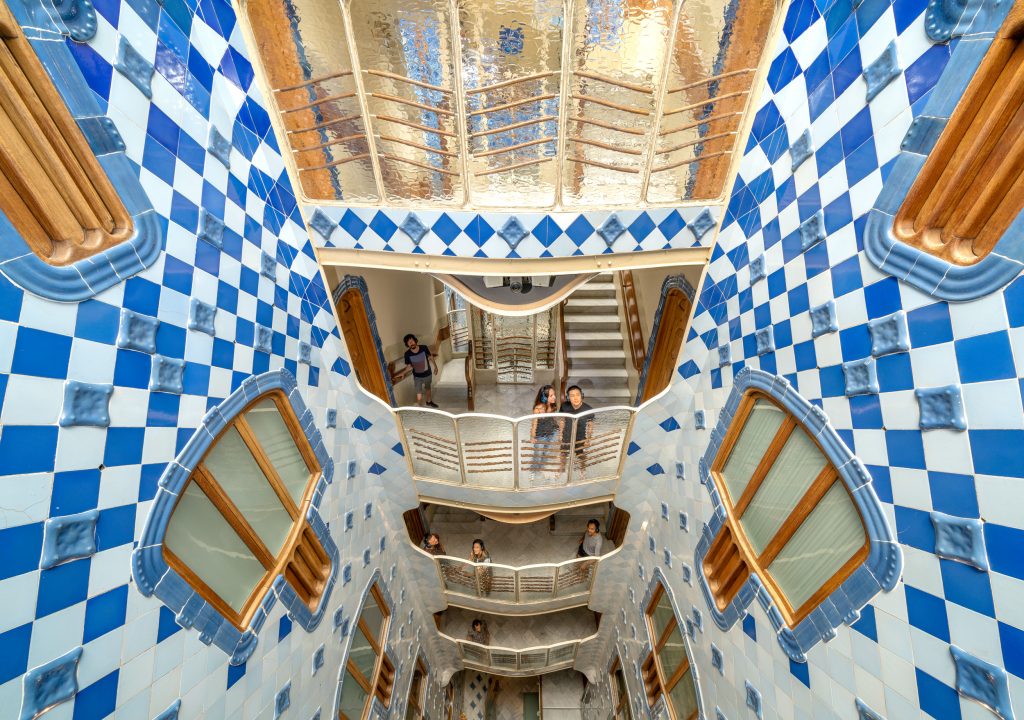
Barcelona is one of those cities I could go back to again and again and never get bored. It somehow manages to be a beach holiday, a foodie trip and an art city break all rolled into one, which makes it perfect for a long weekend. You get sunshine, wonky fairy-tale architecture, tapas that ruin all other tapas for you, and a buzzy energy that lasts well past midnight. I only had a weekend the first time I visited and I completely fell in love, so here is exactly how I would spend two or three days there if you are going for the first time.
A quick heads up before we dive in: Barcelona gets busy, and the big Gaudí sights sell out days in advance. Book your tickets online before you go, because turning up on the day and hoping to walk in just does not work here anymore. Right, let’s get to the good bit.
Top things to do in Barcelona in a weekend
If you are short on time, here are the highlights I would not skip:
- Step inside Casa Batlló to properly get your head around Gaudí
- Marvel at the Sagrada Família (and go up a tower if you can)
- Wander the mosaic wonderland of Park Güell
- Get gloriously lost in the Gothic Quarter
- Graze your way around La Boqueria market
- Watch the sun go down with your feet in the sand at Barceloneta

Start with Casa Batlló — the key to understanding Gaudí
Everyone races straight to the Sagrada Família, and don’t worry, we will get there. But if you really want to understand what Antoni Gaudí was all about, start at Casa Batlló on the elegant Passeig de Gràcia. This is the building I recommend to everyone, and honestly it was my favourite thing I did in the whole city.
From the outside it is completely bonkers in the best way. The façade ripples like the sea, the balconies look like masks or bones (locals nicknamed it the House of Bones), and the roof curves over like the scaly back of a dragon. It is a proper jaw-drop moment. On Sant Jordi, Barcelona’s day of books and roses in April, the whole building gets covered in roses and it is absolutely magical if you happen to be there.
Inside is where it really wins me over though. Casa Batlló is the most visited of Gaudí’s completed buildings, pulling in well over a million visitors a year, and a few years ago they completely reinvented the visit. It won Best Immersive Experience in Europe, and you can tell why. You wander through the house with a smart guide, augmented reality and projections that bring the rooms to life and show you the thinking behind every curve and colour. There is barely a straight line in the place. By the time you leave you actually get Gaudí, which makes everything else you see afterwards click into place. That is why I always say do this one first.
Top tip: book the earliest morning slot to beat the crowds, and don’t rush the rooftop. You can check tickets and times on the official Casa Batlló website.

The Sagrada Família
Now for the big one. Nothing quite prepares you for stepping out of the metro and seeing the Sagrada Família tower over you. Gaudí’s unfinished basilica has been under construction since 1882, and yes, the cranes are still there, but that is all part of its story. Book a slot that includes going up one of the towers for brilliant views over the city.
Try to visit when the sun is out, because the interior is the real showstopper. The stained glass throws pools of orange, blue and green light across the columns, which fan out overhead like a stone forest. I stood there for ages just looking up like a total tourist, and I regret nothing.
Park Güell
More Gaudí, because this city is basically his sketchbook. Park Güell sits up on a hill and feels like walking through a storybook, all wavy mosaic benches, gingerbread-style gatehouses and that famous mosaic lizard everyone queues to photograph. The monumental zone needs a paid ticket booked in advance, but the views back over Barcelona to the sea are worth every penny. Wear comfy shoes, it is a bit of a climb.
Getting lost in the Gothic Quarter
After all that architecture, spend an afternoon simply wandering the Barri Gòtic. This is the oldest part of Barcelona, a maze of narrow medieval lanes, hidden squares and little independent shops. My advice is to ditch the map and just follow your nose. Stop for a coffee in a sunny plaça, find the beautiful cathedral and its cloister, and duck down the tiny alleys the tour groups miss. It is the most atmospheric part of the city, especially in the early evening.
La Boqueria and where to eat
You cannot come to Barcelona and not eat well. Start at La Boqueria, the famous covered market just off La Rambla. It is a feast for the senses, though a word of warning: skip the stalls right at the entrance, which are pricey and touristy, and head to the back where the locals actually shop and the little counters do proper food.
Foods you absolutely need to try:
- Pan con tomate — bread rubbed with tomato, garlic and olive oil, deceptively simple and completely addictive
- Patatas bravas with a good spicy sauce
- Fresh seafood and paella (just not on La Rambla — walk a few streets away)
- Jamón ibérico, the good stuff
- A wedge of tortilla española
- Crema catalana for pudding, like a citrusy crème brûlée
Wash it all down with a glass of vermut, the local aperitif, or some cava. My rule of thumb anywhere in Spain: if a restaurant has a big photo menu and someone outside waving you in, keep walking.
Sunset at Barceloneta beach
End your day where the city meets the sea. Barceloneta is the old fishing quarter, and its wide beach is the perfect spot to flop down after a day of walking. Grab a drink at one of the beach bars (chiringuitos), watch the surfers and paddleboarders, and stay for the sunset. For dinner, wander into the back streets of the neighbourhood rather than the seafront and you will find far better, cheaper seafood.
Where to stay
Barcelona is very walkable, so pick a central neighbourhood and you can do most of it on foot:
- Eixample — smart, spacious and right by Casa Batlló and Passeig de Gràcia. My pick for first-timers.
- Gothic Quarter and El Born — atmospheric and lively, brilliant for nightlife and being in the thick of it.
- Barceloneta — if you want the beach on your doorstep.
Getting around and when to visit
The metro is quick, cheap and easy, and it runs from the airport into town. Grab a multi-journey travel card rather than single tickets and you will save a few euros. Do watch your belongings on the metro and around La Rambla, as Barcelona is very safe but pickpockets love a distracted tourist.
The best months to visit are May, June, September and October, when it is warm enough for the beach but you dodge the sticky August heat and the worst of the summer crowds.