Why Saving Information Is Not the Same as Learning It

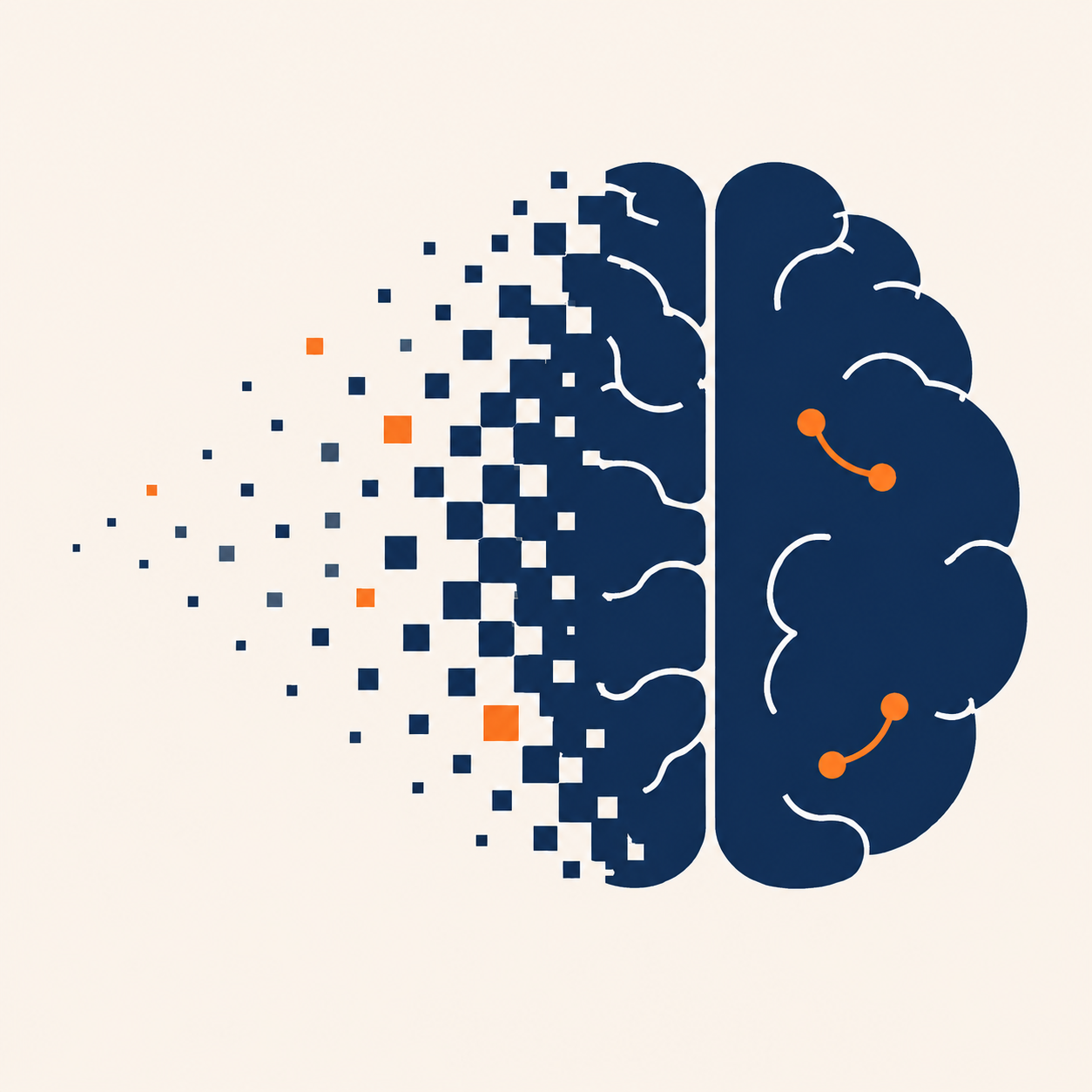
Digital tools make it easy to capture and store information before we have really processed it. But once the device has it, the mind may quietly let it go.
As soon as we come across an interesting article or study, we can bookmark the link, screenshot the abstract, or add it to a future reading list.
But how often do we actually return to what we save? Collecting information can create the illusion of learning without requiring us to absorb or reflect on it. In an online world already flooded with information, we end up reproducing that same overload inside our own devices.
A 2026 study published in Memory & Cognition shows one potential cost of trying to digitally capture everything we find interesting. Across seven different experiments involving 892 participants, researchers consistently found that people remembered screenshotted images worse than images they simply viewed.
In the basic experiment, participants viewed 44 pieces of art on their own phones. Each piece was randomly assigned either a “view” or “screenshot” instruction. Participants moved at their own pace and weren’t told that a memory test was coming. After a ten-minute coloring task, they were shown each original artwork alongside two similar images and asked which one they had seen. Despite seeing only 44 images, participants recognized fewer than 60 percent of the screenshotted images on the later memory test. For context, earlier research using a similar recognition test found 87 percent accuracy after people viewed 2,500 images.
The exact mechanism is still unclear, but one possible explanation is divided attention. The moment we decide to take a screenshot, we are no longer simply observing the information. We are observing and documenting it at the same time. Even if the interruption lasts only a second, part of our attention shifts toward preserving the information rather than actively processing it.
The screenshot enters your phone, but it doesn’t necessarily enter your mind.
When Our Devices Remember for Us
This pattern is often called digital amnesia: the information is preserved on a device but remembered less clearly by the person who saved it. The act of saving may become an automatic cue to mentally disengage. The phone has it now, so our brains don’t have to hold onto it anymore.
It’s similar to how most of us no longer know anyone’s phone number by heart. Once a number is stored in our contacts, we can tap a name and let the phone remember it for us.
Digital amnesia isn’t limited to screenshots. In one museum-tour study, participants remembered fewer photographed objects, fewer details about them, and less about where they were located than objects they simply observed. Interestingly, the impairment disappeared when participants zoomed in on one specific detail, perhaps because the added focus encouraged deeper engagement.
The image itself may not be the problem. What matters may be whether taking it deepens our attention or divides it between observing the moment and documenting it.
Anyone who has watched a table pause to photograph dinner before taking a bite has seen this divide in miniature. Sometimes we take a picture to preserve a memory. Other times we are already imagining how the experience will look to other people online. Part of our attention shifts from living the moment toward turning it into content.
We keep trying to preserve life without fully processing or experiencing it.
The same pattern applies to the information we collect online. A growing archive can feel like a growing body of knowledge, even when very little has been absorbed. Saving articles and links without revisiting them is like filling a bookshelf but never reading a single page.
Actively Process What You Save
This doesn’t mean saving information for later is inherently harmful. In another study, older adults who reviewed photographs captured automatically by wearable cameras recalled more details from an earlier event than those who reviewed photographs they had taken themselves. Our devices can serve as an extension of memory, preserving ideas and experiences we might otherwise lose.
The real problem is capture without review: collecting information without actively engaging with it or digesting what it means.
Instead of reflexively taking a screenshot or bookmarking a link, write down the core idea in your own words. The extra effort matters: it forces you to decide what is worth remembering before moving on. Try explaining it, connecting it to something you already know, discussing it with someone, or putting it into practice. Each step shifts us from merely storing information to actually learning from it.
Technology makes it easy to collect more inputs than we can meaningfully process. But what we gain from an input depends partly on the quality of attention we bring to it. Better inputs still need to be psychologically digested. Otherwise, even good information becomes another form of digital clutter.