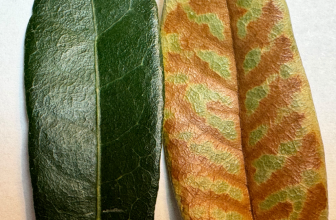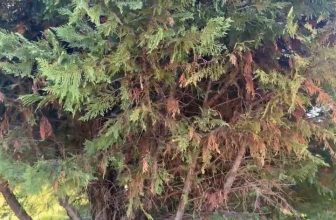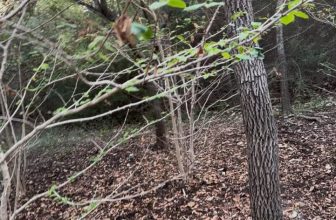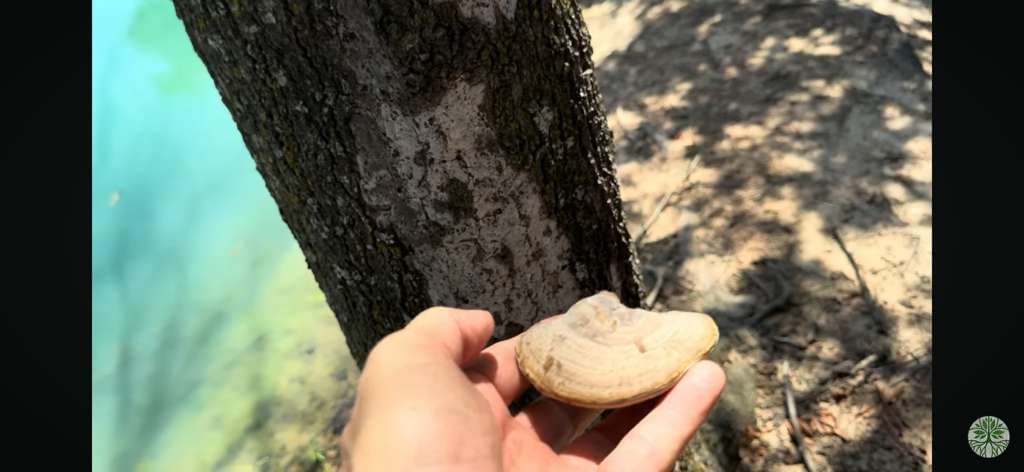
Today we’re here in Combine, Texas, inspecting a group of mature Water Oaks (Quercus nigra) and Savannah Post Oaks (Quercus stellata) where Hypoxylon canker has become a serious concern. On this property, the Water Oaks are already showing advanced symptoms of decline, and at least one tree has progressed into a postmortem condition. The major concern now is protecting the mature Savannah Post Oaks nearby before they begin showing the same level of decline.
This is one of those situations where homeowners need to understand that the visible fungus is not usually the original problem. Hypoxylon canker is typically a secondary pathogen. That means the tree was usually weakened first by environmental stress, root dysfunction, drought, oversaturation, soil compaction, construction disturbance, or other physiological problems before the fungus became aggressive.
By the time we see fungal mats developing on the trunk or scaffold limbs, the tree has often already suffered significant internal decline.
On this property, the Water Oaks are located near a pond, which immediately raises several environmental concerns. Water Oaks can tolerate moisture better than many upland oak species, but chronic saturation, poor oxygen exchange, and root-zone stress can still weaken the tree over time. Once root systems become stressed and carbohydrate reserves begin declining, Hypoxylon canker has an opportunity to colonize weakened sapwood and vascular tissue.
The goal of this inspection is not only identifying what has happened to the Water Oaks. The bigger goal is protecting the mature Savannah Post Oaks before they become compromised.
What Is Hypoxylon Canker?
Hypoxylon canker is a fungal disease associated with stressed hardwood trees, especially oak species. The organism commonly associated with this condition has historically been referred to as Hypoxylon atropunctatum and is now commonly identified as Biscogniauxia atropunctata.
This fungus is commonly found in the environment and may exist quietly within or around trees for years without causing immediate visible symptoms. Healthy, vigorous trees are usually capable of suppressing or compartmentalizing the fungus. However, once a tree becomes severely stressed, its defense system weakens.
At that point, the fungus becomes aggressive.
It begins colonizing the sapwood beneath the bark, disrupting vascular function, accelerating tissue death, and eventually producing visible fungal mats on the surface of the tree.
Those fungal mats may appear:
- Gray
- Tan
- Brown
- Black
- Charcoal-like
- Powdery
- Crusted along the trunk
Once those mats are visible, the disease is no longer early stage. The tree has already experienced significant internal physiological damage.
Why Water Oaks Are Showing Symptoms First
Water Oaks are fast-growing trees, but they are often more prone to structural and health decline as they mature, especially when growing under environmental stress. They can develop root problems, internal decay, vascular stress, and canopy thinning when soil conditions remain unfavorable for long periods.
On this property in Combine, the Water Oaks near the pond appear to be under greater pressure because of their site conditions. Trees near pond edges often experience fluctuating soil moisture. One season the root zone may remain saturated too long. Another season may bring drought stress and high heat. That repeated fluctuation creates instability in the root system.
Roots need oxygen.
When soils stay saturated, water fills the pore spaces that normally contain oxygen. Without oxygen, roots cannot respirate properly. When root respiration slows, the tree struggles to absorb water and nutrients, and carbohydrate production begins declining.
This condition is called root-zone hypoxia.
Over time, hypoxia weakens feeder roots and reduces the tree’s ability to defend itself against opportunistic pathogens such as Hypoxylon canker.
Why Savannah Post Oaks Must Be Protected
The mature Savannah Post Oaks on this property are extremely valuable. Post Oaks are slower-growing, stress-sensitive native trees that do not tolerate major environmental disturbance well. Once a Post Oak begins declining, recovery can be difficult if intervention is delayed.
Savannah Post Oaks naturally prefer well-drained soils with good oxygen exchange. They are not trees that tolerate chronic soil saturation, root disturbance, or major changes to grade and drainage. When they are positioned near infected or declining oaks, the concern becomes much greater.
The Water Oaks already showing Hypoxylon symptoms may be acting as indicators that the overall site is under stress.
That does not automatically mean every Post Oak will contract the disease. However, it does mean every nearby oak should be evaluated carefully for stress, canopy thinning, root-zone problems, and early vascular decline.
When a mature Post Oak becomes stressed, it may begin losing canopy density, dropping leaves prematurely, and developing dead tissue in the crown. If Hypoxylon canker becomes visible on a Post Oak, the tree is often already in advanced decline.
That is why prevention is critical.
How Hypoxylon Canker Develops
The disease process usually begins with stress.
The tree experiences a condition that reduces its ability to maintain normal physiological function. That stress may come from:
- Drought
- Oversaturation
- Root-zone hypoxia
- Soil compaction
- Construction damage
- Heat stress
- Poor drainage
- Root loss
- Nutrient imbalance
- Insect pressure
Once the tree becomes weakened, carbohydrate reserves begin declining.
Carbohydrates are the tree’s stored energy source. They fuel root growth, canopy development, wound response, and defense against pathogens.
When carbohydrate reserves collapse, the tree loses its ability to compartmentalize decay and suppress fungal organisms.
At that point, Hypoxylon canker can rapidly colonize weakened wood tissue.
Why Carbohydrate Loss Matters
A tree’s ability to defend itself depends heavily on energy.
Healthy trees produce carbohydrates through photosynthesis. Those carbohydrates are stored in roots, trunk tissues, and living sapwood.
The tree uses that stored energy to:
- Produce new roots
- Maintain foliage
- Compartmentalize wounds
- Defend against insects
- Defend against pathogens
- Recover from environmental stress
When a tree loses foliage, suffers root decline, or experiences prolonged environmental stress, carbohydrate production drops.
If the tree cannot produce enough energy, it begins consuming stored reserves faster than it can replace them.
Eventually, the defense system fails.
That is when secondary pathogens become aggressive.
The Role of Fungal Mats
One of the most recognizable signs of Hypoxylon canker is the development of fungal mats on the trunk or large branches. These mats form when bark begins sloughing away and fungal tissue becomes exposed.
Homeowners often think the fungus appeared suddenly.
In reality, the fungus has usually been active internally long before the visible mat appears.
The fungal mat represents a reproductive stage of the organism. It produces spores that can be moved by wind, rain splash, insects, and contact with contaminated material.
These fungal mats are important because they indicate the tree is no longer simply stressed. It is now actively colonized.
Once fungal mats are present on a postmortem or severely declining tree, that tree becomes a biological reservoir of fungal spores within the landscape.
Can Hypoxylon Spread to Nearby Trees?
One of the most common questions homeowners ask when they see a tree covered in fungal mats is:
“Will this spread to my other trees?”
The answer is more complex than a simple yes or no.
Unlike Oak Wilt, Hypoxylon canker is not considered a root-graft-transmitted vascular disease. Current arboricultural literature does not identify feeder root grafts as the primary method by which Hypoxylon infects neighboring trees.
However, mature oaks growing together often share the same environmental stresses. If one Water Oak has become severely weakened by drought, root dysfunction, soil compaction, chronic moisture imbalance, or declining carbohydrate reserves, nearby Savannah Post Oaks may be experiencing many of those same conditions.
That is why the surrounding trees deserve immediate evaluation.
The concern is not necessarily that the fungus is moving through the roots.
The concern is that the environmental conditions which allowed one tree to fail may now begin affecting the remaining oaks.
Why Sap-Feeding Beetles Are Still a Concern
Although Hypoxylon canker itself is not known to spread through feeder root grafts in the same way as Oak Wilt, dead and declining oak trees still attract numerous insects.
One group of insects we pay particular attention to are Nitidulid sap-feeding beetles.
These beetles are attracted to:
- Fresh wounds
- Fermenting sap
- Dead bark tissue
- Fungal mats
- Recently declining trees
Their greatest importance is their well-established role as vectors of Oak Wilt.
According to Texas A&M Forest Service, Nitidulid beetles feed on fungal mats produced by Oak Wilt-infected Red Oaks before flying to fresh wounds on healthy trees where they can introduce Oak Wilt spores.
For that reason, allowing severely declining or postmortem oaks to remain standing can increase overall disease pressure within the landscape.
The fungal mats themselves also release enormous numbers of spores into the surrounding environment through wind movement and rainfall.
Although healthy trees usually resist Hypoxylon colonization, stressed trees become increasingly vulnerable.
This is why sanitation and proactive tree care are so important.
Why Stress Is the Real Enemy
One of the biggest lessons homeowners should take away from this inspection is that Hypoxylon canker is usually not the original problem.
Stress is.
Environmental stress weakens the tree.
Root dysfunction reduces vigor.
Carbohydrate reserves decline.
Defense systems fail.
Only then does the fungus become aggressive.
That is why Arborist USA focuses heavily on improving the overall health of the tree rather than simply reacting to visible fungal growth.
The healthier the tree becomes, the greater its natural ability to compartmentalize injury and suppress opportunistic pathogens.
Our Plant Healthcare Program
Because the Savannah Post Oaks on this property still retain healthy canopy structure, our objective is prevention rather than emergency response.
The treatment program begins with a comprehensive systemic antifungal application designed to reduce fungal pressure while supporting the tree’s natural defense mechanisms.
Although no fungicide can reverse advanced internal decay, reducing fungal activity during the early stages may help preserve healthy tissue.
The second component is a complete micronutrient program.
Micronutrients support:
- Chlorophyll production
- Photosynthesis
- Enzyme activity
- Root development
- Stress tolerance
Healthy foliage produces carbohydrates.
Healthy carbohydrates allow the tree to better defend itself against environmental stress and opportunistic pathogens.
The objective is rebuilding vigor before decline accelerates.
Why Monitoring Matters
One inspection is never enough when managing mature oak populations.
These trees should be monitored regularly for changes in:
- Canopy density
- New dieback
- Premature leaf drop
- Bark separation
- Fungal mat development
- Root flare condition
- Environmental stress
Early detection provides the greatest opportunity for successful intervention.
Once large fungal mats develop and significant bark begins sloughing away, structural integrity often becomes a major concern.
When Removal Becomes Necessary
The postmortem Water Oak on this property now represents a potential safety concern in addition to being a biological source of fungal activity.
Dead oak trees progressively lose structural integrity.
Over time they become increasingly susceptible to:
- Scaffold limb failure
- Trunk failure
- Wind damage
- Property damage
- Personal injury
When mature trees become postmortem, removal is often the safest long-term recommendation, particularly when they are located near homes, driveways, roadways, or occupied areas.
Removing severely declining trees also reduces insect habitat and helps improve the overall health of the remaining landscape.
Final Thoughts
This property in Combine, Texas is a powerful reminder that tree diseases rarely occur in isolation.
The Water Oaks did not fail simply because of Hypoxylon canker.
They failed because environmental stress weakened their natural defense systems, allowing the fungus to colonize already compromised wood.
Now our focus shifts to preserving the mature Savannah Post Oaks that remain healthy.
Through proactive plant healthcare, systemic antifungal treatments, micronutrient support, and continued monitoring, we have an opportunity to reduce stress, improve vigor, and help these trees maintain their natural defenses.
At Arborist USA, our goal is never simply identifying a fungus.
Our goal is identifying why the tree became vulnerable in the first place.
That is the foundation of science-based plant healthcare and long-term tree preservation.
For general tree-care best practices, homeowners can also reference guidance from the Texas A&M Forest Service, https://tfsweb.tamu.edu/trees/, a trusted authority on Texas tree health.
Schedule a professional inspection. Early detection and scientific intervention are the difference between preservation and loss. If you’d like to speak to an arborist, please call us at 817-880-6130 or visit https://www.arboristusa.com/
Today we’re in Combine, Texas inspecting a stand of mature Water Oaks (Quercus nigra) and Savannah Post Oaks (Quercus stellata) affected by one of the most destructive secondary fungal diseases we diagnose across North Texas—Hypoxylon canker.
During this inspection, several Water Oaks have already progressed into advanced decline, with one tree becoming completely postmortem. The primary concern now is protecting the surrounding mature Savannah Post Oaks before they begin showing the same level of physiological stress.
One of the biggest misconceptions homeowners have is believing the fungus is the original problem.
In reality, the stress came first.
Hypoxylon canker is considered an opportunistic fungal pathogen. It typically attacks trees that have already been weakened by drought, root dysfunction, soil compaction, poor drainage, environmental stress, or declining carbohydrate reserves.