Spring in Ohio is when trees begin to wake up, landscapes fill back in, and homeowners start thinking about maintenance. It’s also the time when certain tree diseases become more active, and one of the most serious to be aware of is oak wilt. For homeowners across the region, understanding how oak wilt spreads and what to watch for can make a significant difference in protecting valuable trees.
At Ahlum & Arbor, plant health care is about staying ahead of problems before they take hold. Oak wilt is one of those issues where timing, awareness, and proper care matter.
What Is Oak Wilt and Why It Matters in Ohio
Oak wilt is a fungal disease that disrupts how oak trees move water. Once infected, the tree essentially loses its ability to transport moisture from roots to leaves. This leads to rapid decline and, in many cases, death.
When it comes to oak wilt concerns in Ohio, the disease is especially aggressive in red oak species. These trees can decline quickly, sometimes within a single season. White oaks may show more resistance, but they are still at risk.
Because of how quickly oak wilt can spread and the value mature oaks bring to a property, early detection and prevention are critical parts of plant health care strategies in Ohio.
How Oak Wilt Spreads Between Trees
Understanding how oak wilt moves is key to managing it effectively. There are two primary ways the disease spreads:
1. Beetle Transmission
Sap-feeding beetles are attracted to fresh wounds on oak trees. If they visit an infected tree and then move to a healthy one, they can carry fungal spores with them. This is one of the most common ways oak wilt spreads above ground.
2. Root Graft Transmission
Oak trees growing near each other often have interconnected root systems. The fungus can travel underground from an infected tree to nearby healthy trees through these root connections.
This combination makes oak wilt particularly challenging. It doesn’t just affect one tree, it can impact entire groups of oaks on a property.
When Oak Wilt Is Most Active in Ohio
Timing plays a major role in risk levels. In Ohio, oak wilt is most likely to spread during the spring and early summer months, typically from April through July.
This is when:
- Beetle activity is highest
- Trees are actively moving sap
- Fresh pruning wounds are most vulnerable
Because of this, pruning oak trees during these months can significantly increase the risk of infection.
Why Pruning Oaks Can Be Risky in Spring
Pruning is normally a healthy part of tree care, but with oaks, timing matters. Fresh cuts create open wounds that attract beetles carrying the oak wilt fungus.
This is why pruning oak trees in spring or early summer is generally discouraged unless absolutely necessary. Storm damage or safety concerns may require immediate attention, but in those cases, proper wound sealing and professional handling become even more important.
Dormant season pruning, typically in late fall or winter, is the safest window.
Early Signs Homeowners Should Watch For
Catching oak wilt early can help slow its spread. Some of the most common early symptoms include:
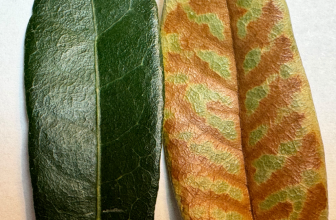
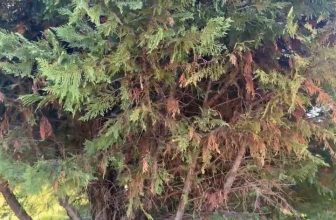
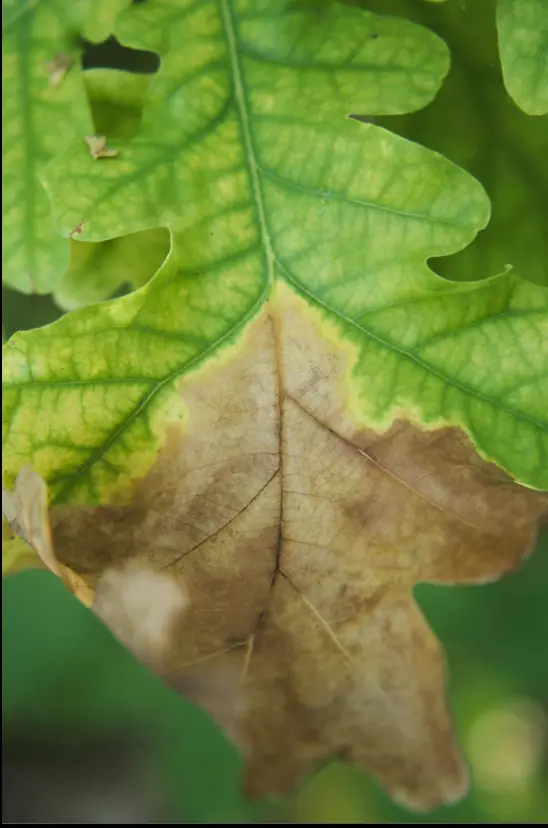
- Leaves turning dull green, bronze, or brown at the edges
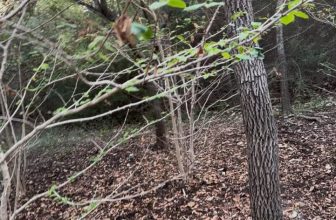
- Rapid leaf drop, often in mid to late summer
- Thinning canopy starting at the top of the tree
- Leaves falling while still partially green
In red oaks, these symptoms can progress quickly. If something looks off, it’s worth having it evaluated sooner rather than later.
How Quickly Can Oak Wilt Kill a Tree?
The speed of decline depends on the species. Red oaks are highly susceptible and may die within a few weeks to a few months after symptoms appear. White oaks tend to decline more slowly, sometimes over several years.
Even in slower cases, the disease does not resolve on its own. Without intervention, the tree will continue to decline.
Oak Wilt Treatment Options
When it comes to oak wilt treatment, there are a few approaches depending on the stage of infection:
- Fungicide Injections
Systemic fungicides, often containing propiconazole, can be injected into the tree. These treatments are most effective as a preventive measure or in very early stages of infection. - Root Disruption (Trenching)
To stop underground spread, arborists may trench between infected and healthy trees to sever root connections. - Tree Removal
In advanced cases, removing the infected tree may be necessary to protect surrounding oaks.
Treatment decisions depend on timing, tree health, and how far the disease has spread.
Which Trees Are Most Vulnerable?
Not all oaks respond the same way.
- Red oaks (like northern red oak and pin oak) are the most vulnerable and decline quickly
- White oaks show more resistance but can still become infected
- Trees growing in clusters are at higher risk due to root connections
Knowing what species you have can help guide prevention strategies.
Can Oak Wilt Spread Underground?
Yes, and this is one of the biggest concerns. Root grafts allow the fungus to move from tree to tree without any visible external contact. This is why entire groups of trees may show symptoms over time.
How Arborists Confirm Oak Wilt
Because symptoms can resemble other tree diseases in spring, proper diagnosis is important. Arborists typically:
- Evaluate visible symptoms
- Assess tree species and location
- Collect samples for lab testing if needed
Accurate identification ensures the right treatment approach is used.
What Homeowners Should Do If They Suspect Oak Wilt
If you notice symptoms:
- Avoid pruning or cutting the tree
- Do not move firewood from the area
- Contact a certified arborist for evaluation
Quick action can help limit spread, especially to nearby healthy trees.
Can Storm Damage Increase Risk?
Yes. Storm damage creates fresh wounds, which can attract beetles. Even small branch breaks can open the door for infection during high-risk months.
How to Prevent Oak Wilt
Prevention is always easier than treatment. Key steps include:
- Avoid pruning oaks in spring and early summer
- Immediately seal any accidental wounds during high-risk periods
- Do not transport firewood from unknown sources
- Work with professionals for pruning and plant health care
Proactive care plays a major role in protecting trees long term.
Do You Need a Certified Arborist?
While homeowners can monitor for symptoms, managing oak wilt is not a DIY project. Diagnosis, treatment, and prevention strategies require experience, especially when dealing with root systems and fungicide applications.
Protecting Your Trees
Oak wilt is one of the more serious threats facing oak trees in Ohio, particularly during the spring season. Understanding how it spreads, recognizing early signs, and avoiding high-risk activities like spring pruning can go a long way in protecting your landscape.
At Ahlum & Arbor, our approach to plant health care in Ohio focuses on prevention, early detection, and targeted treatment. If you have oak trees on your property and want to ensure they stay healthy, our team can help assess risk and recommend the right next steps.
If you suspect oak wilt or want to be proactive this season, scheduling a professional evaluation is the best place to start.