The Secret Weapon for a Successful Event Team: Situational Awareness

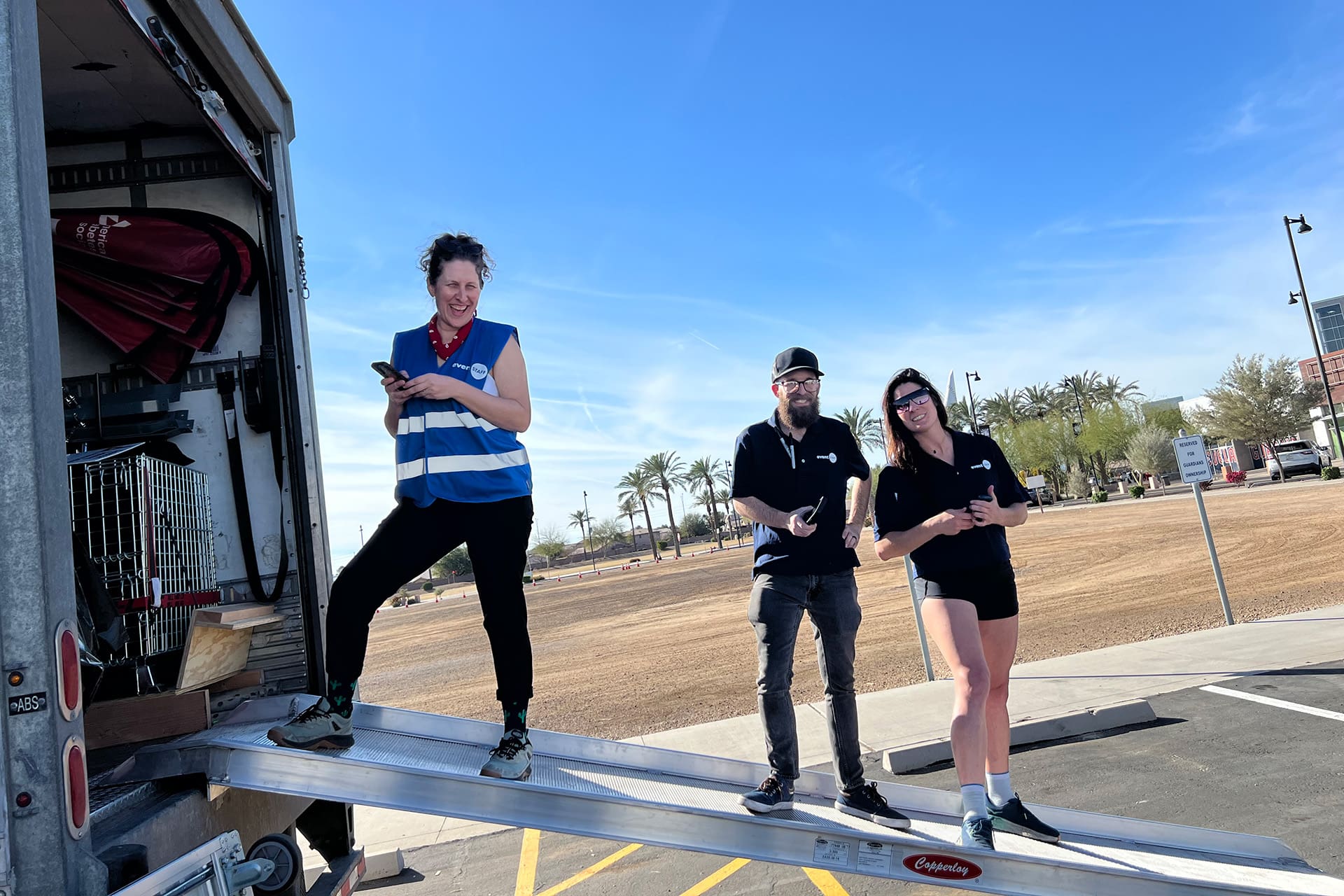
Every successful event has something important making it possible. It’s not the tents. It’s not the staging. It’s not the signage. It’s the people. More specifically, a team of people who are constantly paying attention to what’s happening around them.
At Event 360, we believe preparation is essential. We spend weeks planning, organizing, and coordinating every aspect of an event. But then once we arrive at the event site, success depends less on the plan itself and more on something much simpler: Situational Awareness.
Situational awareness is the ability to notice what’s happening around you, recognize when something doesn’t seem right, and communicate it before it becomes a larger issue.
It’s not about expecting something bad to happen. It’s about always knowing what’s happening around you.
The best Event Managers don’t wait for problems to find them. They build habits that help their teams stay aware from the first truck arriving until the final piece of equipment leaves the site.
Here are four simple ways to make situational awareness part of your team’s culture.
- Start the day with an awareness mindset. During your morning staff briefing, remind your team that in addition to their assigned responsibilities, it is everyone’s job to pay attention to what is happening around them. Encourage staff to continually ask themselves:
- Does anything seem unusual?
- Is something changing that could affect participants or the event?
- Is someone acting like they need assistance?
- Has anything changed since we last looked at this area?
When awareness becomes everyone’s responsibility, your event gains dozens of extra sets of eyes.
- Keep your head up while you’re working. It’s easy to become so focused on completing a task that you stop noticing what’s happening around you. Whether you’re building a registration area, placing signage, unloading trucks, or tearing down equipment, take a few seconds every so often to pause and scan your surroundings. Look beyond the task in front of you and notice:
- Vehicle traffic entering the venue
- Changes in weather
- Growing participant congestion
- Vendor activity
- Signage and inflatable stability
- Areas becoming blocked
- Equipment left unattended
A five-second scan can prevent a thirty-minute problem.
- Make walking the site part of your routine. Great Event Managers rarely stay in one place. As you move between the central command area, registration, sponsor tents, route access points, and other event locations, treat every walk as an opportunity to observe and ask yourself:
- Has anything changed?
- Are volunteers where they’re supposed to be?
- Is signage still visible?
- Are barriers still secure?
- Are participants flowing safely?
- Does anything feel different than it did thirty minutes ago?
The more frequently you move through the venue, the more likely you’ll identify small issues before they require major solutions.
- Normalize speaking up early. One of the biggest mistakes people make is assuming someone else has already noticed something. Create a culture where staff feel comfortable reporting observations — even if they aren’t sure they’re important. Encourage comments like:
- I noticed…
- This seems different…
- You may already know this, but…
- I just wanted to make sure you are aware…
Many significant event issues begin as small observations that someone didn’t mention. Don’t let something that could have been prevented grow into a big problem. Speak up, even if it’s just, “Huh. That looks weird.” Early communication gives leadership options. Late communication limits them.
Situational awareness isn’t about creating fear or expecting emergencies. It’s about developing professional habits that keep everyone informed, prepared, and ready to respond when something changes.
The best Event Managers don’t simply react to events. They notice. They communicate. They adapt.
When every member of your team develops those same habits, situational awareness becomes more than an individual skill — it becomes part of your event culture. The best emergency response is often the one that’s never needed because someone noticed something early.
Subscribe to Event 360 blog notifications so you don’t miss a single post.

René Tamayo