What Drivers Should Document at the Scene of a Car Accident


Arizona roads see a high number of car accidents every year. Sun glare, wide multi-lane intersections, heavy commuter traffic through Phoenix and Tucson, and long open highway stretches can all affect driving conditions. When a collision happens, what you do in the first hour matters. Knowing what to document at the scene of a car accident can help create a reliable record for an insurance or legal claim.
An Arizona personal injury law firm may build your case using the records available from that day. What you safely capture in those first minutes can provide information that insurers and attorneys use for months afterward.
The Condition of the Vehicles
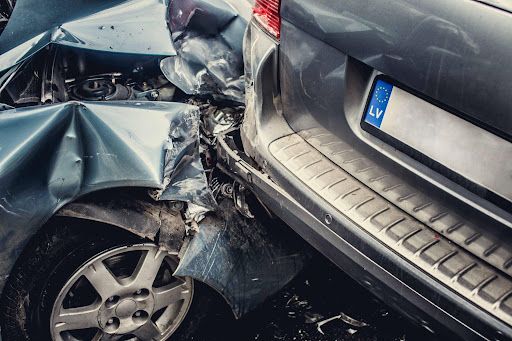
Use your phone to photograph every vehicle involved, but only when you can do so safely. Close-up shots of the points of impact can document the damage and may help experts evaluate the direction and dynamics of the collision. These photographs can become evidence that strengthens a car accident claim.
Wider frames that capture lane markings and debris patterns may help show where each vehicle ended up. Undercarriage damage may become harder to document after the vehicle is towed or repaired. However, do not crawl beneath a vehicle or enter active traffic to take a photograph. Document the damage only from a safe position.
Road and Weather Conditions
A pothole that contributed to the accident may be repaired within days, rain that made the road surface slick may dry, construction setups may move overnight, and faded lane markings may eventually be repainted.
Some of these conditions may change before the claim is investigated. If it is safe, photograph the road surface under and around the vehicles. Document any signage that appears missing, obstructed, or illegible by photographing the relevant location and approach. If construction zones are nearby, include them in the frame.
Then write a detailed note in your phone describing the weather at the time of impact. Note the intensity and duration of any rain if known, the visibility conditions, and whether glare was a factor at the moment of impact.
Contact and Insurance Details From All Parties Involved
People may be shaken after an accident, so information may be exchanged in fragments. A driver may depart after exchanging information before you have recorded everything you need. You could also receive an expired insurance card or partially incorrect information.
Under Arizona Revised Statutes § 28-663, drivers involved in qualifying crashes must provide their name, address, and vehicle registration number and exhibit their driver’s license upon request. Record the necessary information from every driver and, with permission, photograph each license and insurance card. Get a clear photograph of every license plate, but do not rely solely on a verbal exchange.
If passengers were present in any vehicle, collect their names and contact information as well. They may have seen the accident from a different angle than the drivers, and what they describe may not match the other accounts. Your attorney may consider those differences during the liability assessment.
Information From Witnesses
Bystanders, other stopped drivers, pedestrians, and employees at nearby businesses may have witnessed the accident. Independent witness accounts can be useful because the witness may have no direct financial interest in the outcome.
Get their names and phone numbers before they leave the scene. People move on quickly from accident scenes and may become difficult to locate later. If you wait for someone else to track them down, the opportunity may have passed.
Your Account of the Events
Your recall of specific details can become less reliable over time. Details that feel certain at the scene, such as whether the signal was green or yellow at the moment of impact, may become harder to recall later.
If your medical condition allows, open your phone’s notes app while you are still at or near the scene and write down everything you recall, such as:
- Your lane position
- Your approximate speed
- The other driver’s actions immediately before the collision
- The point at which you first recognized the hazard
- Whether you braked or attempted to steer clear
- Any injuries or delayed signs of concussion or whiplash
Write in plain language, distinguish direct memories from estimates, and do not guess or speculate. This record can serve as a reference when you speak to an insurer or attorney days or weeks later.
The Police Report Number
If law enforcement responds, ask the officer for their name and badge number. Ask whether a report or case number is available if it is not included on the information they provide. The written report may take days or weeks to become available. Having the case number can help your insurer or attorney retrieve it more efficiently.
Responding officers typically document their observations, vehicle positions, statements from the people involved, and sometimes a preliminary diagram. A report may contain conflicting information or omit relevant details. Your attorney may use your photographs, notes, and other evidence to address any discrepancies.
After You Leave the Scene
Put everything in one place. A dedicated folder on your phone or a secure cloud drive can work. Add descriptions to your photographs, include the officer’s information and contact details for every driver and witness, and save your written account.
Keeping this material organized is one of the steps that can strengthen your case after a vehicle collision. An organized file can also reduce follow-up requests from an insurer or attorney.