A Blueprint for Tenant Screening: The Complete Guide


Tenant screening is one of the most important responsibilities of any landlord or property manager. Filling a vacancy is one thing, but finding a qualified tenant who can meet the terms of the lease is another. Looking at the big picture, finding the right tenant can help protect your investment, reduce vacancies, and create a positive rental experience for everyone involved.
 Now, going back to tenant screening, it involves much more than reviewing a credit score or running a background check. It requires a consistent, well-planned process that evaluates every applicant fairly and still complies with applicable housing laws.
For that reason, having a clear tenant screening blueprint comes in handy. In this complete guide, we’ll walk you through every stage of the tenant screening process, from preparing before you advertise your rental and collecting applications to verifying employment and income, reviewing background checks, and evaluating applicants fairly. We will also show you how to follow legal best practices.
So, whether you’re screening tenants for the first time or refining your existing process, this guide will provide the knowledge and tools you need to make confident, informed decisions.
Let’s get started.
Main Takeaways
- Tenant screening is more than a background check. A complete screening process includes reviewing the rental application, verifying employment and income, checking credit and background reports, contacting references, and reviewing rental history.
- Use the same screening process for every applicant. Having clear screening criteria helps you make consistent decisions while complying with Fair Housing laws.
- Look at the complete picture before making a decision. Instead of relying on one factor, such as a credit score, consider the applicant’s income, rental history, references, and screening reports together.
Table of Contents:
What Is Tenant Screening?
 Tenant screening is the process of determining whether a rental applicant meets your established rental criteria before you approve their application. It’s a very important part of managing a rental property, whether you do it yourself or work with a property management company in Washington, DC. This is because it gives you a better understanding of who they are, whether they can afford the rent, how they’ve treated previous rental homes, and whether they’re likely to follow the terms of the lease.
You do that by not only reviewing the rental application, but also verifying employment and income, contacting previous landlords and references, checking credit and background reports, and confirming the applicant’s identity.
The goal isn’t to find a “perfect” tenant. It’s to make an informed decision based on objective screening criteria rather than relying on first impressions.
That said, you use the information you gather to determine whether an applicant is a good fit for your property. Just ensure that you follow the same screening process for every applicant to comply with Fair Housing laws.
Why Is Tenant Screening Important?
As we mentioned in the beginning, every landlord wants a reliable tenant. The challenge, however, is deciding which applicant is the right fit. An applicant may appear qualified at first glance, yet a closer look at their rental history, income, or references could reveal information that’s important to your decision.
Let’s see how tenant screening helps you:
- Reduce the risk of missed or late rent payments.
- Identify applicants with a history of lease violations or evictions.
- Verify that an applicant meets your established income requirements.
- Select tenants who are more likely to care for your rental property.
- Apply the same screening standards to every applicant, helping you remain compliant with Fair Housing laws.
Of course, no screening process can guarantee a problem-free tenancy. However, you’ll be in a much better position if you take the time to evaluate applicants carefully. Doing so can help you make more informed leasing decisions and reduce unnecessary risk.
How to Prepare Before You Screen Tenants
 Successful tenant screening begins long before you review a rental application. The preparation you do beforehand can make the entire screening process more efficient and help you attract applicants who are a better fit for your rental property.
Before advertising your rental, take the time to determine what you’re looking for in a tenant, establish consistent screening criteria, and market your property effectively. Doing so will help you make fair, informed decisions while creating a smoother experience for both you and prospective tenants.
Create Your Screening Standards
Before you begin accepting applications, determine the objective qualifications each applicant must meet. While every applicant must be evaluated fairly and without discrimination, it’s perfectly reasonable to identify the qualities you’re looking for based on objective factors.
For example, your criteria may include sufficient qualifying income, a history of paying rent on time, positive references from previous landlords, and a record of following lease agreements. Having clearly defined rental qualifications can help you stay focused on relevant, objective criteria throughout the screening process.
Remember, your screening criteria should never be based on characteristics protected under Fair Housing laws. Instead, focus on measurable factors that relate directly to a tenant’s ability to meet the terms of the lease.
Create Objective Tenant Screening Criteria
Once you’ve established your rental qualifications, the next step is deciding how you’ll screen every applicant. It’s always a good idea to set your screening criteria before you start accepting applications. That way, you’re less likely to make decisions based on first impressions or emotions.
Your screening criteria may include things like minimum income requirements, employment and income verification, rental history, credit checks, background checks, and references. Whatever criteria you choose, be sure to use the same standards for every applicant.
Having your screening criteria ready from the start also makes it easier to explain your application requirements. That way, applicants know what information they’ll need to provide before the screening process begins.
Attract Qualified Rental Applicants
 Even the best screening process starts with attracting quality applicants. The way you market your rental property can influence both the number and quality of applications you receive.
Write an accurate property listing that highlights the home’s features, rental requirements, and expectations from the start. Include clear details about rent, lease terms, pet policies, and any other important information. This helps prospective tenants determine whether your property is a good fit before they apply.
Also, make sure you respond promptly to inquiries, schedule property showings professionally, and maintain open communication throughout the application process. By setting clear expectations early, you’ll be better positioned to attract qualified applicants and begin the screening process on the right foot.
What Is the Rental Application Process?
Once you’ve attracted interested renters, the next step is to have them complete a rental application. This is where tenant screening really begins.
A rental application gives you important information about each applicant before you decide whether to rent to them. It also gives you permission to collect the information you’ll need throughout the screening process. From there, you can verify the details they’ve provided, contact references, review supporting documents, and complete any background or credit checks you’ve included in your screening process.
What Information Should a Rental Application Include?
A rental application should collect enough information for you to verify the applicant’s identity, financial situation, and rental history. The more complete the application is, the easier it becomes to screen applicants consistently.
While every landlord may ask slightly different questions, a rental application will usually include:
- The applicant’s full name and contact information.
- Current and previous addresses.
- Employment and income information.
- Rental history.
- Personal and landlord references.
- Emergency contact information.
- Information about additional occupants or pets, if applicable.
Before moving on to the next step, review the application carefully. If any information is missing or doesn’t make sense, ask the applicant to clarify it before continuing with the screening process.
Obtain Written Consent for Tenant Screening
Before you run a background or credit check, make sure the applicant gives you written permission. In most cases, this is included as part of the rental application, but you can also collect it using a separate consent form.
This step isn’t just about following the law. It also lets the applicant know what information you’ll be reviewing as part of the tenant screening process.
Collect Supporting Documents
 The rental application tells you what an applicant says about themselves. Supporting documents help you verify that the information is accurate.
Depending on your screening process, you may ask for documents such as:
- Recent pay stubs.
- Bank statements.
- Employment verification letters.
- Government-issued identification.
- Additional proof of income for self-employed applicants.
Try to collect these documents as early as possible. That way, you won’t have to keep going back to the applicant for missing information later.
How to Screen Tenants Step by Step
Once you’ve reviewed the rental application and collected the necessary documents, it’s time to start confirming the information the applicant has provided. This is where the tenant screening process really begins.
Instead of taking everything on the application at face value, take the time to verify each piece of information. A little extra effort now can help you avoid bigger problems after the tenant moves into your rental property.
Verify a Tenant’s Identity
 The first step is to confirm that the applicant is who they say they are. Ask for a government-issued photo ID and compare it to the information provided on the rental application. Make sure the name, date of birth, and other identifying details match.
Verifying an applicant’s identity also helps reduce the risk of fraud and ensures you’re screening the correct person throughout the rest of the process.
Verify Employment
Once you’ve reviewed the rental application, it’s time to verify the applicant’s employment. After all, you want to make sure the information they provided is accurate.
A good place to start is by contacting their employer or requesting an employment verification letter. You can also ask how long the applicant has worked there and confirm that they’re currently employed.
Remember, the goal isn’t to judge the type of job someone has. It’s simply to verify the information on their rental application before moving on to the next step.
Verify Income
After confirming where the rental applicant works, the next step is to verify their income. In other words, you want to verify whether their qualifying income meets your established income requirements.
You can do this by reviewing documents such as recent pay stubs, bank statements, or tax returns. If the applicant is self-employed, they may not have pay stubs. In that case, you can ask for additional documents, such as tax returns or business records, to verify their income.
Keep in mind that income is only one part of the screening process. You’ll also want to consider the applicant’s rental history, references, and the rest of the information you’ve gathered before making your decision.
Contact Previous Landlords and Personal References
Speaking with previous landlords and personal references can give you valuable insight that may not appear on a rental application or background report.
When contacting a previous landlord, ask questions about the applicant’s payment history, how they maintained the property, whether they followed the lease terms, and if the landlord would rent to them again.
Personal references can also help confirm the information provided by the applicant. However, because friends or family members may naturally speak positively about the applicant, landlord references are usually more helpful when evaluating rental history.
As you verify references, compare what you learn with the information listed on the rental application. If something doesn’t match, ask the applicant to clarify it before moving forward with your decision.
What Does a Tenant Background Check Show?
 A tenant background check gives you more information about a rental applicant before you make your final decision. While the rental application tells you what the applicant has shared with you, a background check helps verify some of that information and may uncover details that weren’t included in the application.
Remember, a background check shouldn’t be the only factor you rely on when screening tenants. Instead, use it together with the rental application, employment and income verification, references, and rental history to get a better understanding of the applicant.
Review the Applicant’s Credit Report
A credit report can tell you a lot about an applicant’s financial habits. It may show whether they pay bills on time, how much debt they have, and whether they’ve had accounts sent to collections.
While many landlords look at a credit score, it’s important not to focus on that number alone. Instead, review the full credit report to understand the applicant’s overall financial situation. For example, a lower credit score caused by medical bills may not carry the same weight as a long history of missed payments.
Check Criminal Background History
A criminal background check may reveal convictions or other criminal records that are legally reportable. However, having a criminal record doesn’t automatically mean an applicant should be denied.
If criminal history is part of your screening criteria, consider relevant factors such as the nature and severity of the conduct, how much time has passed, and whether the record is relevant to a legitimate housing-related concern. Avoid blanket policies that automatically reject applicants with criminal records, and make sure your screening practices comply with applicable federal, state, and local laws.
Review Eviction Records
An eviction report shows whether an applicant has been involved in previous eviction cases. While a past eviction is something to look into, it doesn’t always tell the full story. Cases may be dismissed, settled, resolved in the tenant’s favor, or otherwise fail to reflect the full circumstances.
If an eviction appears on the report, ask the applicant to explain what happened. Reviewing the details can help you make a more informed decision instead of relying on the record alone.
Evaluate Rental History
An applicant’s rental history can give you a good idea of what they may be like as a tenant. This includes how long they stayed at previous properties, whether they paid rent on time, and how they cared for the home.
Compare what you find with the information on the rental application and what previous landlords have shared with you. If everything matches, you can move forward with more confidence. However, if something doesn’t add up, give the applicant a chance to explain before making your final decision.
How to Evaluate Rental Applications
By now, you’ve gathered plenty of information about your rental applicant. The next step is putting everything together to make your decision.
Remember, no single report or document should determine whether you approve or deny an application. Instead, look at the complete picture. An applicant’s income, rental history, references, background check, and credit report all work together to help you decide whether they’re a good fit for your property.
Look Beyond the Credit Score
Many landlords pay close attention to an applicant’s credit score, but it’s important not to base your decision on that number alone.
A credit score is only one part of the applicant’s financial history. Take time to review the full credit report to understand why the score is what it is. For example, one applicant may have a lower score because of medical bills, while another may have a history of missed payments or accounts in collections.
When you look beyond the score itself, you’ll have a better understanding of the applicant’s overall financial situation.
How to Screen College Students and First-Time Renters
Not every qualified tenant will have years of rental history or an established credit record. This is often the case with college students and first-time renters.
Instead of automatically rejecting these applicants, look for other ways to evaluate them. For example, you can verify their income, review their employment, request additional references, or ask whether they have a co-signer.
Taking a flexible approach allows you to consider applicants who may become excellent long-term tenants, even if they have limited rental experience.
How to Screen Self-Employed Applicants
If an applicant is self-employed, you may need to ask for different documents to confirm their income. Since they don’t usually have pay stubs or an employer to contact, you’ll have to rely on other records instead.
For example, you can ask for recent tax returns, bank statements, or other documents that show how much they earn. You’re simply trying to make sure they have enough income to comfortably pay the monthly rent.
Watch for Application Fraud
As you review an application, pay attention to information that doesn’t match. For example, the income listed on the application may be different from what’s shown on pay stubs or bank statements. You may also have trouble verifying an employer, previous landlord, or other information the applicant provided.
However, a mismatch doesn’t always mean the applicant is trying to mislead you. Ask them about anything that doesn’t add up and give them a chance to explain. You can also verify documents and contact employers or previous landlords directly before making your decision.
Taking the time to double-check questionable information can help you spot rental application fraud before approving an applicant.
When Does a Co-Signer Make Sense?
Not every applicant will meet your screening criteria on their own. That doesn’t always mean you have to reject the application. In such cases, asking for a co-signer may be the better option. If the tenant can’t meet their obligations under the lease, the co-signer agrees to take responsibility.
Just remember to screen the co-signer the same way you would the applicant. Verify their income, review their credit, and make sure they can meet the financial responsibilities of the lease.
What Happens After Tenant Screening?
Once you’ve finished screening an applicant, you’ll need to decide what happens next. Depending on your screening criteria and the information you’ve gathered, you may approve the application, offer conditional approval if your policies allow it, or deny the application.
Approving an Applicant
If the applicant meets your screening criteria, let them know their application has been approved and explain what happens next. This may include signing the lease, paying any lawful move-in costs, and setting a move-in date.
Conditional Approval
In some cases, your established screening policies may allow you to approve an applicant under certain conditions. For example, you may allow an applicant who doesn’t meet your requirements on their own to use a qualified co-signer.
Whatever conditions you allow, make sure they’re part of your established screening criteria and applied consistently to applicants in similar situations.
Denying an Application
If an applicant doesn’t meet your screening criteria, let them know that their application has been denied. Depending on how you made the decision, you may also have additional legal requirements to follow.
For example, if information from a consumer report contributed to the denial or other less favorable terms, you may need to provide an adverse action notice. We’ll explain this requirement in more detail below.
 Tenant Screening Laws Every Landlord Should Know
Tenant screening helps you find the right tenant, but it’s important to follow the law every step of the way. Fortunately, you don’t need to know every legal detail to screen tenants fairly. Understanding a few basic rules can help you avoid common mistakes and make better decisions.
Let’s look at some of the most important laws and best practices every landlord should know.
Follow Fair Housing Laws
As you screen tenants, remember that every applicant must be treated fairly. The Fair Housing Act makes it illegal to treat someone differently because of characteristics such as race, color, religion, sex, national origin, disability, or familial status. Depending on where your rental property is located, there may also be additional state or local laws to follow.
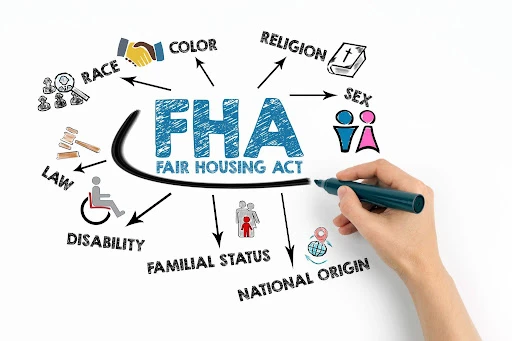
Instead, base your decision on objective factors like income, rental history, credit, references, and other information that’s directly related to the applicant’s ability to meet the terms of the lease.
Apply the Same Screening Criteria to Every Applicant
This cannot be emphasized enough: it’s crucial to apply the same qualification standards consistently to all applicants. If you ask one applicant for a background check, income verification, or references, you should ask the same of everyone else. The same applies when reviewing applications. Use the same screening criteria every time. Doing so helps you make fair decisions and supports compliance with Fair Housing laws.
Understand Fair Credit Reporting Act Requirements
If you use a tenant screening company or another consumer reporting agency to obtain credit, background, or other screening reports, the Fair Credit Reporting Act (FCRA) may apply.
For example, if information in one of these reports contributes to a decision to deny an application or offer less favorable rental terms, you may need to send the applicant an adverse action notice. This notice generally tells the applicant about the decision and provides information about the consumer reporting agency that supplied the report.
Since the requirements can vary depending on the situation, make sure you understand your responsibilities under the FCRA before using consumer reports to make rental decisions.
Understand Source of Income Protections
Another thing to consider is where an applicant’s income comes from. While source of income is not generally a protected class under the federal Fair Housing Act, some states and local jurisdictions have their own protections.
Depending on where your rental property is located, you may not be able to reject an applicant simply because their lawful income comes from housing assistance, government benefits, retirement income, or another protected source.
That’s why it’s important to check your state and local laws when creating income requirements and evaluating rental applications.
Protect Applicant Information
As part of the screening process, applicants will share personal information with you, including identification documents, financial records, and employment details.
Handle this information carefully and only use it for tenant screening purposes. If you keep physical or digital records, make sure they’re stored securely and only accessible to people who need them.
Protecting an applicant’s information helps build trust and supports compliance with privacy and consumer reporting laws.
Tenant Screening Checklist
By now, you have a good understanding of how the tenant screening process works. Use this checklist as a quick reference whenever you screen a new rental applicant to make sure you don’t miss an important step.
Prepare Your Screening Criteria
☐ Define your rental criteria.
☐ Set your income requirements.
☐ Create objective screening standards.
☐ Ensure your criteria comply with Fair Housing laws.
Review the Rental Application
☐ Confirm all required fields are complete.
☐ Verify the applicant’s identity.
☐ Obtain written consent for background and credit checks.
☐ Collect supporting documents.
Verify the Applicant’s Information
☐ Verify employment.
☐ Verify income.
☐ Contact previous landlords.
☐ Contact personal references.
Review Screening Reports
☐ Review the applicant’s credit report.
☐ Check criminal background history.
☐ Review eviction records.
☐ Evaluate rental history.
Make Your Final Decision
☐ Compare every applicant using the same screening criteria.
☐ Document your decision.
☐ Notify the applicant of your decision.
☐ Send an adverse action notice when required.
☐ Securely store applicant information.
Common Tenant Screening Mistakes to Avoid
 Even with a solid screening process in place, it’s easy to overlook important steps or make decisions too quickly. Avoiding the following mistakes can help you choose better tenants, reduce your risk, and create a more consistent screening process.
Relying Only on Credit Scores
A credit score is helpful, but it shouldn’t be the only factor you consider. Instead, review the applicant’s complete credit report along with their income, rental history, references, and background check. Looking at the full picture will help you make a more informed decision.
Skipping Employment or Income Verification
An applicant may list a stable job and income on their application, but it’s always important to verify the information. Taking a few extra minutes to confirm employment and income can help you avoid problems later if the applicant cannot afford the monthly rent.
Failing to Contact References
Previous landlords and personal references can provide valuable insight that you won’t find on a credit report or rental application. While references shouldn’t make the decision for you, they can help confirm the information you’ve already gathered.
Using Inconsistent Screening Criteria
Every applicant should go through the same screening process and be evaluated using the same standards. Changing your requirements from one applicant to another can lead to unfair decisions and may increase your legal risk.
Ignoring Fair Housing Requirements
Tenant screening should always comply with federal, state, and local Fair Housing laws. Focus your decisions on objective screening criteria rather than personal characteristics that are protected by law. Following the same process for every applicant helps keep your screening fair and consistent.
FAQs About Tenant Screening
Tenant screening can feel overwhelming, especially if you’re renting out a property for the first time. Below are answers to some of the most common questions landlords ask about screening tenants to find a “perfect” tenant.
What Is the Most Important Part of Tenant Screening?
There isn’t one single factor that’s more important than the rest. Instead, tenant screening works best when you consider the applicant as a whole. Review their income, employment, rental history, references, background check, and credit report before making your decision.
How Long Does the Tenant Screening Process Take?
The timeline depends on how quickly you receive documents and complete your verification checks. In many cases, tenant screening can be completed within a few days, though it may take longer if you’re waiting on employers, previous landlords, or screening reports.
Can I Reject a Tenant for Bad Credit?
Potentially. If credit requirements are part of your established screening criteria, you may be able to deny an applicant who doesn’t meet them, subject to applicable laws. Review the applicant’s entire financial picture, including their income, payment history, rental history, and other supporting information before making a decision.
Should I Call a Tenant’s Previous Landlord?
Yes. In fact, it’s one of the best ways to learn what an applicant was like as a tenant. Previous landlords can tell you whether they paid rent on time, took care of the property, followed the lease agreement, and whether they’d rent to them again.
What Should I Verify Before Approving a Tenant?
Before making your final decision, take the time to verify the applicant’s identity, employment, income, rental history, references, and any screening reports you’ve requested. It may take a little longer, but it can help you choose the right tenant for your rental property.
Can I Charge a Tenant Screening Fee?
Yes, in many states you can charge a tenant screening or application fee to help cover the cost of background and credit checks. But the rules vary from state to state, so be sure to check the laws where your rental property is located before charging a fee.
What Laws Should I Follow During Tenant Screening?
The specific laws will depend on where your rental property is located. As a general rule, make sure you follow Fair Housing laws, get the applicant’s written permission before running certain screening reports, and screen every applicant using the same criteria.
Should I Hire a Property Management Company to Screen Tenants?
Yes, especially if you don’t have the time or experience to screen tenants yourself. They can handle the entire screening process for you, from reviewing rental applications and verifying employment and income to contacting references, running background checks, and selecting qualified tenants.
This can save you time, help you avoid costly mistakes, and give you more confidence that you’ve chosen the right tenant for your rental property.
 Need Help Finding Qualified Tenants?
By now, you know that tenant screening involves much more than reviewing a rental application or running a background check. It takes time to verify information, contact references, review screening reports, and make a well-informed decision.
If you’d rather leave the screening process to experienced professionals, Bay Property Management Group can help. Our team handles everything from reviewing applications and verifying employment and income to contacting references and conducting background checks, helping you find qualified tenants while saving you time and effort.
Contact us today to learn how our tenant screening and property management services can help you protect your investment with confidence.