How to Break Your Lease: A Guide for Tenants

When you sign a lease agreement, you’re usually obligated to live at a rental for a certain amount of time. However, it’s not uncommon for plans to change or events to pop up that may affect your ability to stay for the duration of the lease. For example, you may want to break your lease if you find a job in a different city, encounter a medical emergency, or are dissatisfied with the property. Today, we’ll go over how to break your lease, the consequences, and legal justifications for breaking a lease. Read along to learn more.

Main Takeaways
- Breaking a lease early can lead to fees, legal action, or difficulty renting again, depending on your lease and state laws.
- Some leases include an early termination clause that outlines how you can end the lease before it expires.
- Certain situations, such as active military service, unsafe living conditions, or domestic violence protections, may allow you to break a lease without penalties.
- Before moving out, review your lease, communicate with your landlord, and explore options like subleasing or a mutual lease termination agreement.
- State and local landlord-tenant laws vary, so always review the laws that apply where you live before ending your lease.
Can You Break Your Lease Agreement?
Whether or not you can break your lease agreement depends on several factors. For instance, it depends on the terms and conditions outlined in the lease and applicable laws in your jurisdiction. That said, most lease agreements from property management companies in Northern Virginia are legally binding contracts between a tenant and a landlord.
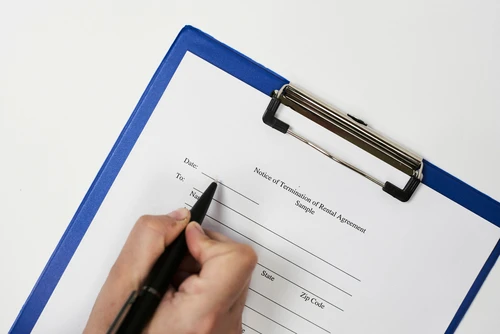
Some lease agreements have an early termination clause, which allows tenants to terminate the lease under certain conditions. For instance, if you’re relocating for a job or medical issues, you may be able to work something out with your landlord to avoid penalties.
In other cases, you may be able to come to a mutual agreement with your landlord to terminate the lease early. Additionally, your lease may permit subleasing or assigning the lease to another person if you must leave early. This option allows you to find someone else to take over the lease obligations as long as your landlord approves.
Your lease agreement specifies the obligations and rights of both parties for the lease duration. As such, breaking a lease typically carries some consequences, like financial penalties or legal action. However, there are a few legal reasons you can break a lease without facing severe consequences. So first, let’s review some of the consequences, and later we’ll discuss legal reasons for breaking a lease.
Consequences of Breaking Your Lease
Breaking any legal contract comes with some risks. When breaking a lease agreement, the risks are typically financial. However, it’s possible that you may face legal risks, which may affect your future as a renter. Here’s what may happen if you attempt to break your lease early.
- Be Prepared for Potential Costs- Breaking a lease without a legally protected reason may leave you responsible for certain costs under the lease and applicable law. Depending on the circumstances, this could include unpaid rent, an agreed-upon early termination fee, or damages resulting from the breach.
- You May Get Sued- If your lease agreement doesn’t allow for early termination, but you break the lease anyway, your landlord may take you to court. If so, you’ll need to defend yourself in small claims court.
- It May Be Harder to Rent- While you may want to look for a cheaper apartment to move into, it could take weeks or months to find one. A prior lease termination or related rental history may also be considered during future rental applications, subject to applicable Fair Housing and other laws.
- Your Credit Report May Suffer- Breaking a lease and failing to pay rent could impact your credit score. For instance, if your landlord reports your late payments to the credit bureaus, it could show up on your credit report and negatively impact your score.
Legal Reasons to Break a Lease
As stated earlier, there are certain circumstances where tenants may have a legal right to terminate a lease early without the usual penalties.

If you find yourself in any of the following scenarios, contact your landlord as soon as possible to inform them of your situation and your plan to leave the rental.
- Health or Safety Code Violations
- Landlord Harassment or Tenant Privacy Violation
- Active Duty Military
- Victims of Domestic Violence or Abuse
Health or Safety Code Violations
It’s your landlord’s responsibility to maintain the rental to a certain standard. For instance, your landlord must provide running water, heat, sanitation, and overall safety.
That said, Virginia tenants may have the right to terminate a lease when serious health or safety conditions constitute material landlord noncompliance. However, tenants generally must follow specific notice and cure procedures before terminating the lease. Different rules may apply when a rental is uninhabitable at the beginning of the tenancy.
Landlord Harassment or Tenant Privacy Violation
Virginia law gives tenants certain protections if a landlord enters the rental unlawfully, abuses their right to access the property, or repeatedly requests entry in a way that harasses the tenant. Depending on the situation, tenants may be able to seek damages, stop the unlawful conduct, or terminate the lease. Tenants may also have legal remedies if a landlord wrongfully locks them out of the property or shuts off essential services.
Active Duty Military
If you enter military service after signing a lease or receive certain qualifying military orders while serving, you may be able to terminate your lease early under the federal Servicemembers Civil Relief Act (SCRA). This may apply to circumstances like a permanent change of station or deployment for at least 90 days. Generally, service members must provide their landlord with written notice and a copy of their military orders or other qualifying documentation. The exact termination date depends on when rent is due and when the landlord receives proper notice.
Victims of Domestic Violence or Abuse
In Virginia, tenants who are victims of certain forms of family abuse, sexual abuse or assault, stalking, or trafficking may have the right to terminate a rental agreement early under specific circumstances. Generally, qualifying tenants must provide the landlord with written notice and required documentation. Under Virginia law, termination generally becomes effective 28 days after the tenant serves the termination notice.
What to Do If You Want to Break Your Lease
Learning about the consequences is important if you’re considering breaking your lease early. Additionally, you’ll want to take a few steps to ensure you don’t break any laws and leave the rental respectfully. So, here’s what to do if you want to break your lease agreement.
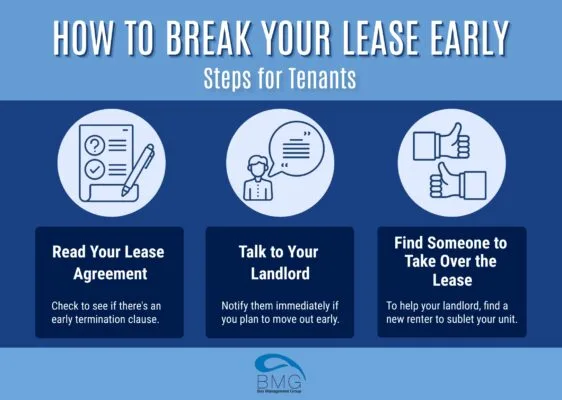
- Read Your Lease
- Talk to Your Landlord
- Find Someone to Take Over the Lease
Read Your Lease
If you plan on moving out of your rental early, you’ll want to read over your lease agreement first. Some rental agreements have an early termination clause, which allows you to end the lease early as long as you follow certain requirements. For instance, you may have to provide advance notice or pay an early termination fee, depending on the terms of your lease.
That said, your rights and responsibilities as a tenant can vary from state to state. As such, you’ll want to determine which laws apply to your state and county.
Talk to Your Landlord
You’ll want to schedule a meeting with your landlord or property manager. If you’re unhappy with your property and it’s causing you to want to leave, they may be able to assist with fixing the issue. Additionally, if you’re on good terms with your landlord, they may be more willing to work with you to find a mutually beneficial solution.
If you’re set on leaving the property, it’s important to notify them immediately. Come prepared with an action plan, including when you plan to leave the property, if you plan on finding someone to sublet your unit, and how you’ll ensure they don’t face financial hardship.
Find Someone to Take Over the Lease
One of the simplest ways to break your lease is by finding a new renter to sublet your unit. With this arrangement, the other tenant moves in and takes over rent payments.

However, not all leases allow subleasing, so it’s crucial to carefully read over the terms and conditions. Additionally, communicating with your landlord throughout this process is crucial, so they can approve the new tenant.
If the new tenant fails to pay rent or damages the property, you’re still responsible for those payments or fees. To avoid this, you can request that the landlord start a new lease with the new tenants, so you’re no longer responsible for rent payments or damages. However, landlords aren’t obligated to end your lease early and rent to new tenants.
FAQs About Breaking a Lease
Breaking a lease often raises questions about fees, notice requirements, and your legal rights. Here are answers to some of the most common questions tenants have before ending a lease early.
Can you break a lease without paying a penalty?
Sometimes. It depends on your lease agreement and the laws where you live. Certain situations, such as active military service or unsafe living conditions, may allow you to end your lease without paying an early termination fee.
How much notice should you give before breaking a lease?
The amount of notice required depends on your lease, the reason for termination, and applicable state or local law. Review your lease and the laws that apply to your situation before providing notice.
Will breaking a lease affect your credit?
It can if unpaid rent or fees are sent to collections or reported to the credit bureaus. Communicating with your landlord and fulfilling your financial obligations can help minimize the impact.
Can a landlord refuse to let you break your lease?
Yes. Unless your lease includes an early termination clause or state law provides a legal reason to end the lease, a landlord is generally not required to release you from the agreement.
Is subleasing a good alternative to breaking a lease?
It can be, provided your lease allows it and your landlord approves. Subleasing may reduce your financial responsibility while allowing another tenant to occupy the rental.
Importance of Landlord-Tenant Communication
Communicating with your landlord or property manager is crucial throughout the entire rental process. If you’re considering ending your lease early, educating yourself on landlord-tenant laws and communicating with your landlord is important. Leaving a rental without providing required notice could result in additional costs or legal consequences, depending on the lease and applicable law.
Bay Property Management Group has a team of reliable property managers that can assist with anything you need throughout the rental process. Whether you need maintenance or have questions about your rental property or lease agreement, our team of qualified managers can help.
Need More Advice? contact us today!
On the other hand, if you own rental properties and want to streamline your rental processes, BMG can help. We offer comprehensive rental management services, from tenant screening to maintenance, rent collection, and more. Contact us today to learn more about our services.