Fed Researchers Offer a New Homeownership Metric—and It Drops the Rate to 53%

The Federal Reserve of Minneapolis has proposed a new way of measuring homeownership that would change the current view of the housing landscape.
In a paper released earlier this month, researchers suggested that homeownership in America should be measured not by the share of homes where the owner is a resident, often called owner occupancy.
Its alternative is to measure the share of adult population that owns their homes, which it called the “homeowners-to-population” (HPOP) ratio.
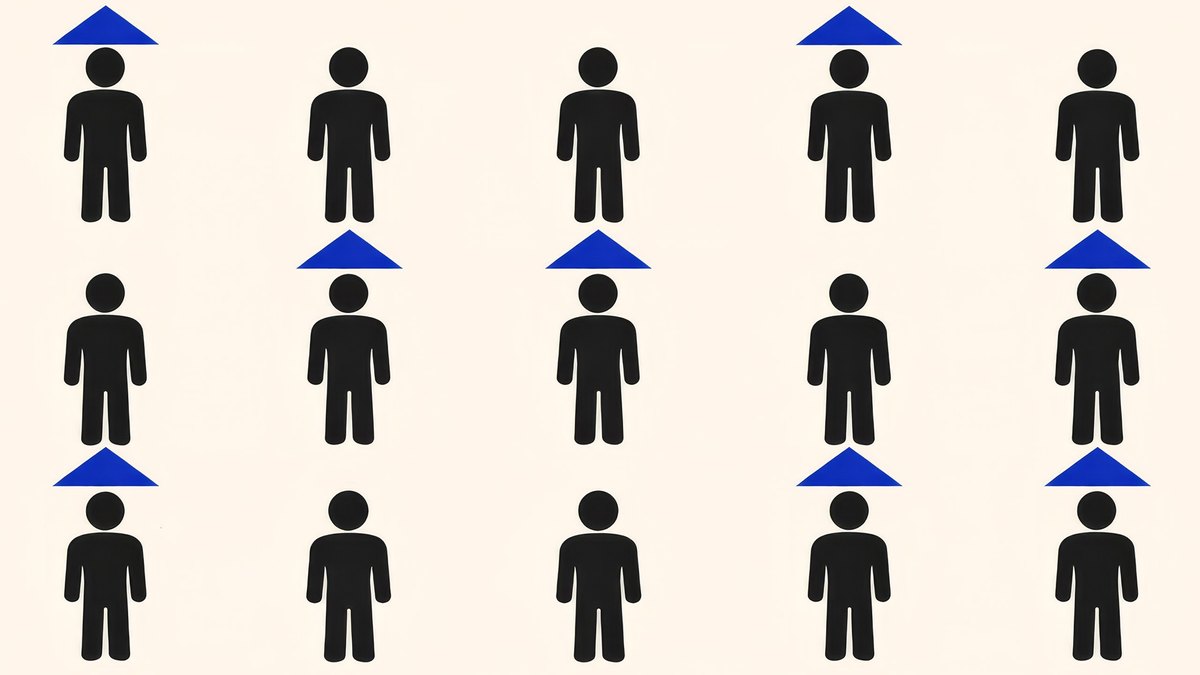
The change might seem nuanced, but it leads to a major shift: While 65% of homes are owner-occupied, just 53% of U.S. adults own a home.
The Minneapolis Fed’s new methodology excludes from the homeownership count the people who live in the home but don’t own the home directly—for example, the homeowners’ parents and adult children.
The previous methodology considers everyone in the family to be owner-occupants. Under both scenarios, rental units and their tenants are not owner-occupants.
Researchers said in the paper that their new methodology “puts people first” and offers a more nuanced view of homeownership. It also excludes 13.9% of adults who live in owner-occupied homes they don’t personally own.
“By including all adults, the HPOP gives us a more accurate understanding of the economic wellbeing of Americans. Measuring homeownership by the person instead of by the home is particularly important for comparing characteristics of homeowners: by age, by geography, and across time,” researchers noted in the paper.
The data also makes room for several recent trends in homeownership, including the rise of intergenerational living as “boomerang” children move back in with their parents. It also considers how older parents are moving in with children and friends are living together.
Homeownership trends across the U.S.
The Minneapolis Fed’s new data pulls out some wide differences. In Hawaii, for instance, 61% of homes are owner-occupied, but only 42.7% of adults own a home. Florida, Maryland, New Mexico, and Delaware have similarly wide discrepancies. North Dakota and the District of Columbia do not.
Thinking about things in this way offers some interesting insights, Realtor.com® economist Jiayi Xu says. But it has its limitations.
This methodology highlights people living in group quarters—college dorms and nursing homes—who don’t appear in the traditional homeownership data at all. So it can help us understand things like what housing choices the aging population makes.
“But including these groups pulls the denominator up with people who are structurally almost never owners at that life stage, regardless of housing affordability or policy,” Xu says. “That can make the rate look artificially low, for example, for age brackets with lots of students, or distort market comparisons where one place has a much larger university student population.
“In short, when used to answer housing affordability questions, HPOP might need to be interpreted carefully because it mixes ‘priced out of homeownership’ with ‘not in the housing market for other reasons.'”
Economic anxieties
On the other hand, that kind of understanding is more important now given how younger people are locked out of homeownership and more pessimistic about their prospects.
The data is a “more accurate gauge of Americans’ real economic wellbeing and access to housing wealth,” says Landy Liu, founder of tech startup Foyer, a platform that helps consumers save for down payments.
“By counting adults rather than households, the new measure captures a population the old rate rendered invisible: the growing share of adults who haven’t yet formed their own household, including adult children still living at home,” Liu says.
For that reason, the government needs to better measure why people aren’t forming new homes. Liu suggests there ought to be better on-ramps to helping young people afford a home.
“It brings into focus the trends driving that shift—delayed household formation and postponed home purchases—and draws a direct line between those patterns and the economic realities facing aspiring homeowners today,” Liu says.
Get real estate news in your inbox