On Living With Bipolar Disorder and BPD – ItsJaiMarie

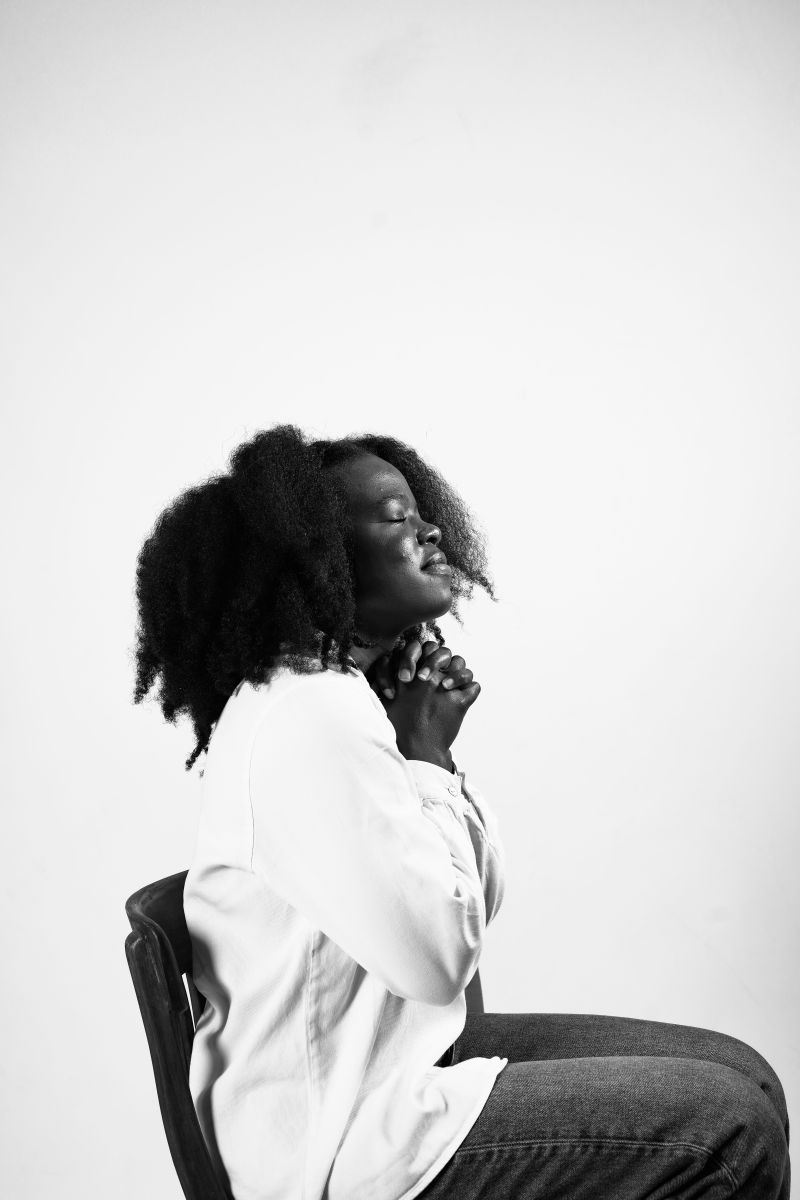
I received my bipolar disorder diagnosis when I was 17. For years, I cycled in and out of depressive and manic episodes with no clear answers from mental health professionals and a series of antidepressants that only made things worse. It felt like I was constantly at war with my mind, and each time my mom and I attempted to advocate for myself, our cries went unheard. Finally, after a severe episode that resulted in hospitalization, I met a psychiatrist who listened to every symptom and experience I endured and properly diagnosed me.
For the past 10 years, I have dedicated this blog to spreading mental health awareness. Through my writing, I aim to combat stigma, foster safe spaces for open conversations about mental health, and encourage healing.
Back in May of 2024, I was diagnosed with borderline personality disorder (BPD). While I’d suspected for a while that I had this, receiving an official diagnosis was a lot to cope with. Once again, I felt like that teenager who spent years fighting for answers. I worked with my last therapist for six years. She knew my background, life experiences, symptoms, etc., yet somehow she still missed such a significant part of me.
Navigating life with two serious mental health conditions is difficult. It’s painful and scary. As my psychiatrist read off the criteria to be diagnosed with BPD, I had every symptom. While I know it’s often said that we shouldn’t self-diagnose, I knew I had BPD long before my appointment in May. I knew that the symptoms I’d been experiencing were being caused by more than just my bipolar diagnosis. Now that I’ve had time to process this, I wanted to discuss how I’ve been navigating life.
What Is Borderline Personality Disorder?
BPD is a mental health condition that is characterized by unstable moods, behavior, and relationships. This definition doesn’t even begin to scratch the surface of what someone living with BPD goes through daily. This condition severely impacts an individual’s ability to manage their emotions. Symptoms of BPD include the following:
- Extreme mood swings lasting hours to days
- Persistent feelings of emptiness
- Chronic difficulty regulating emotions
- Intense fear of real or perceived abandonment
- A pattern of unstable, intense relationships
- Unstable or shifting sense of self
- Feeling disconnected from yourself or dissociation
- Impulsive behaviors that can be harmful
- Recurrent suicidal behavior, self-harm, or threats
- Intense anger
Navigating a New Diagnosis
Since receiving my diagnosis two years ago, I’ve started working with a new therapist who has been guiding me as I work through some of my symptoms. The symptoms I experience affect me almost daily. BPD is often considered the most painful mental health disorder to live with. The mood swings I experience most days, within a matter of hours, make navigating everyday life feel unpredictable and emotionally exhausting.
I’m not sure why it has taken me two years to open up about my BPD diagnosis. I’ve always been transparent about the various mental health challenges I face. Still, disclosing this information publicly felt extremely vulnerable. Now that I’ve had time to process it on my own terms, I’m looking forward to publishing more posts discussing this complex condition. I don’t think I was ever ashamed of myself, but there was a part of me that wondered how others would perceive me, knowing I live with two serious mental illnesses (SMI).
Aside from individual therapy and medication, I also eventually want to seek dialectical behavior therapy (DBT), which teaches individuals practical skills for managing emotions, tolerating distress, improving interpersonal relationships, and responding to difficult situations in a healthier way.
Aside from receiving mental health treatment, I also have daily practices and rituals I engage in to stay grounded. Some of these include meditation and breathwork, yoga, writing, spending time in nature, dancing, and reading. In addition to these things, I also have a workbook for BPD that I’ve been using. I’ve been in therapy and on medication long enough to know that they only do part of the work. I still have to commit to showing up for myself every day and doing what’s necessary for my mental well-being.
One thing I learned soon after being diagnosed with bipolar disorder is that a diagnosis doesn’t define me. Since receiving my new diagnosis, I’ve continued to remind myself of this. These conditions may be a part of me, but they are not all of me. They haven’t changed who I am; instead, they’ve given me a name for the struggles I’ve carried for years.